2026 'Be the Change' Youth Training Program
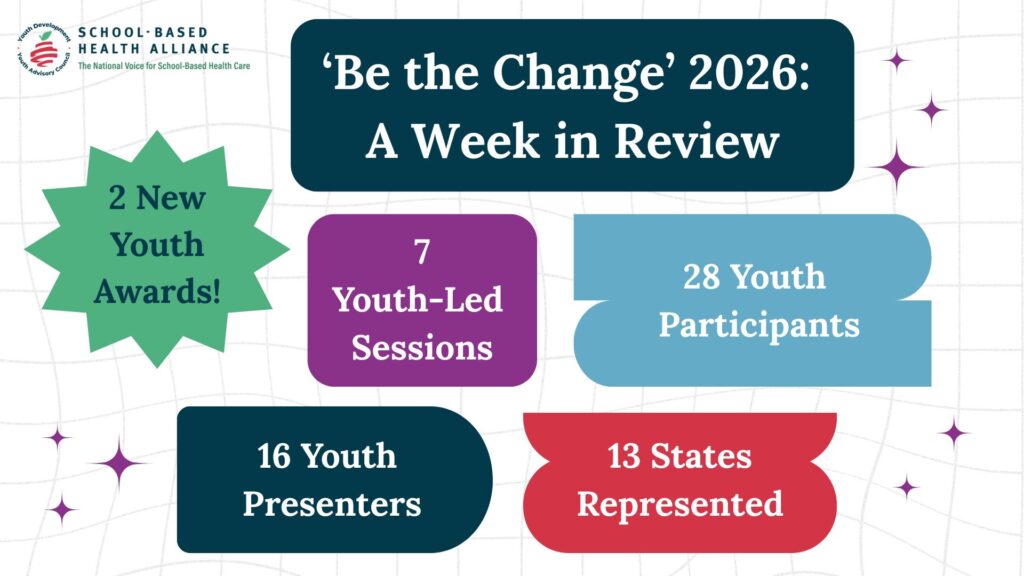
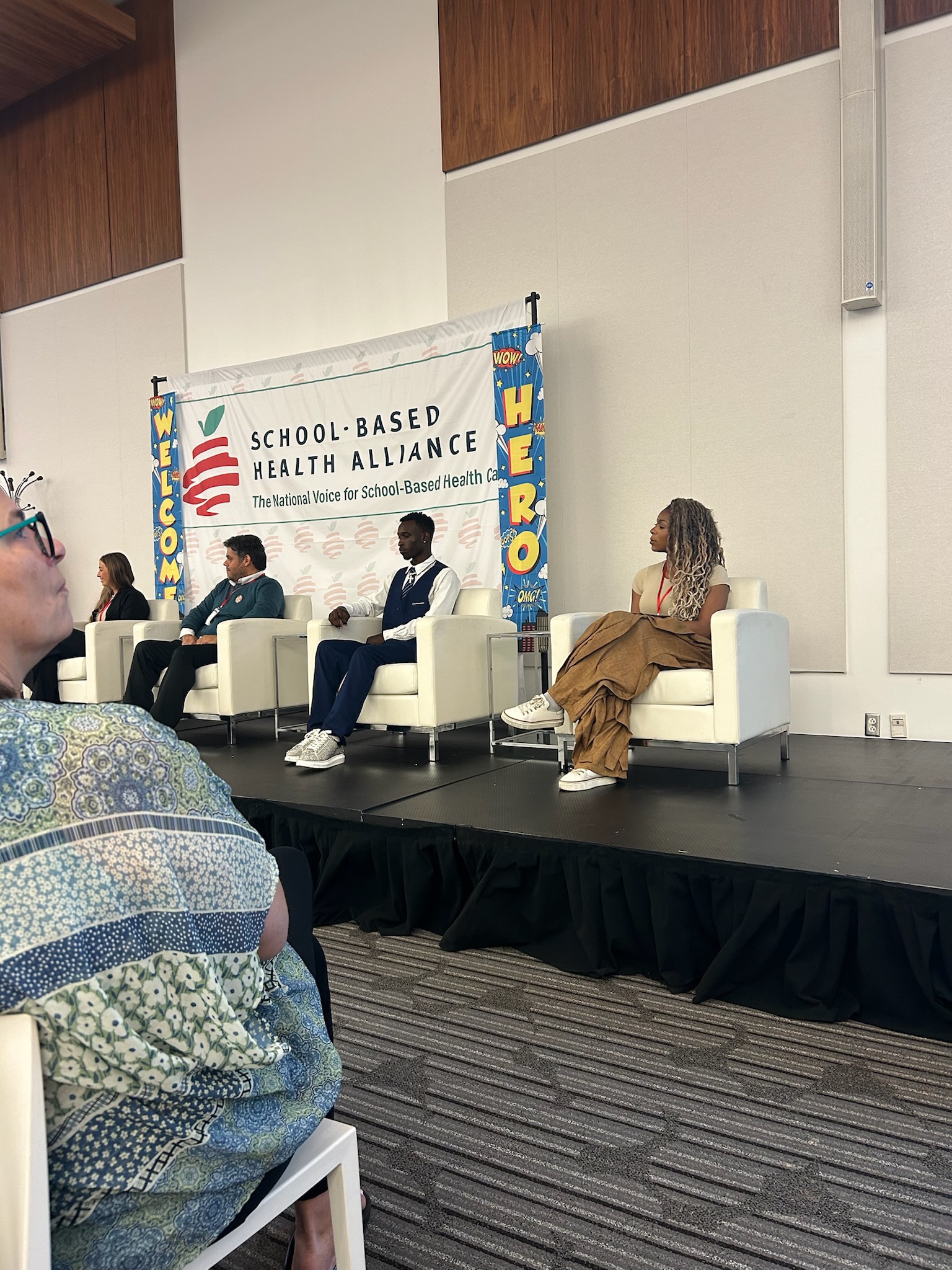
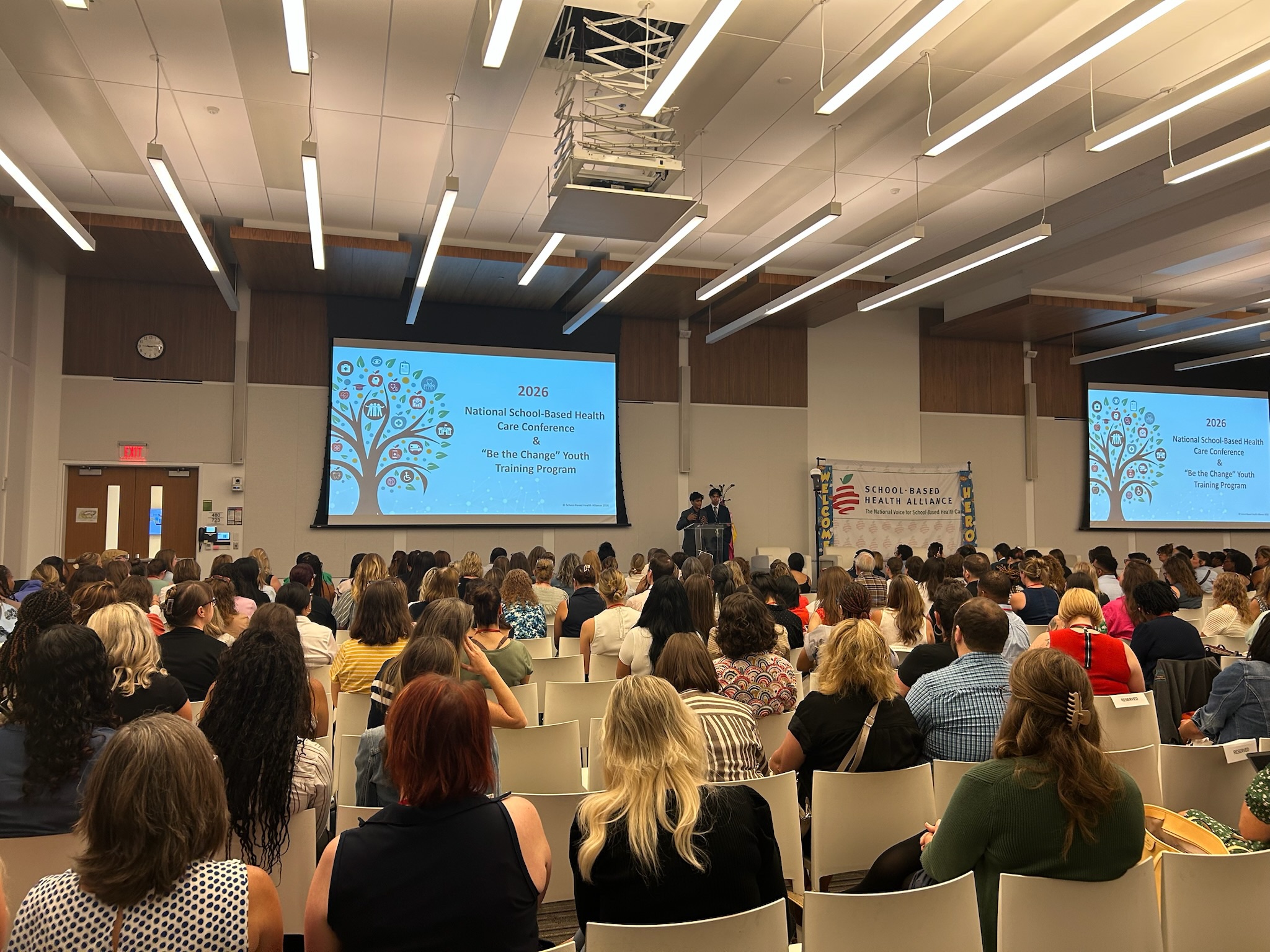
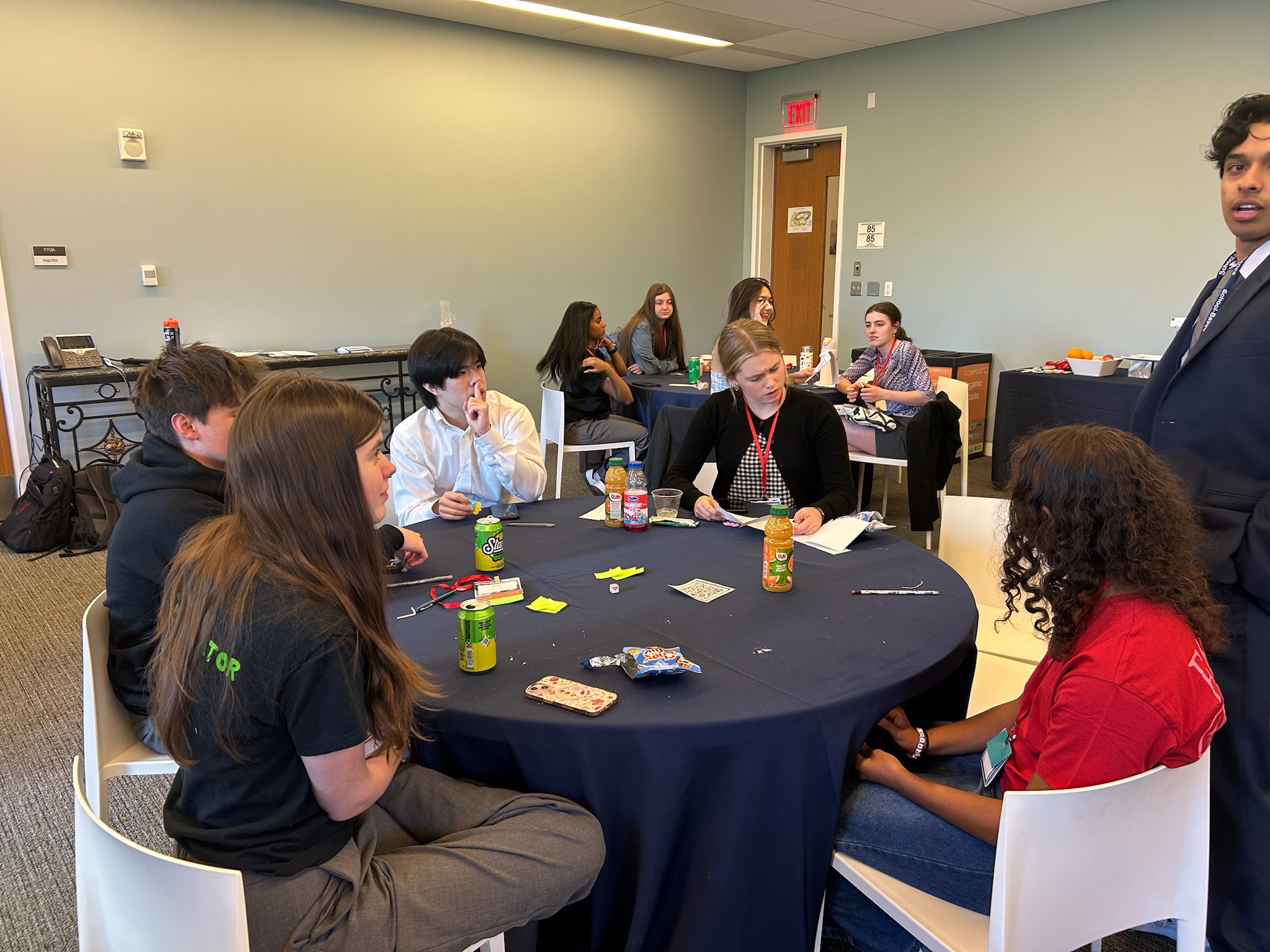
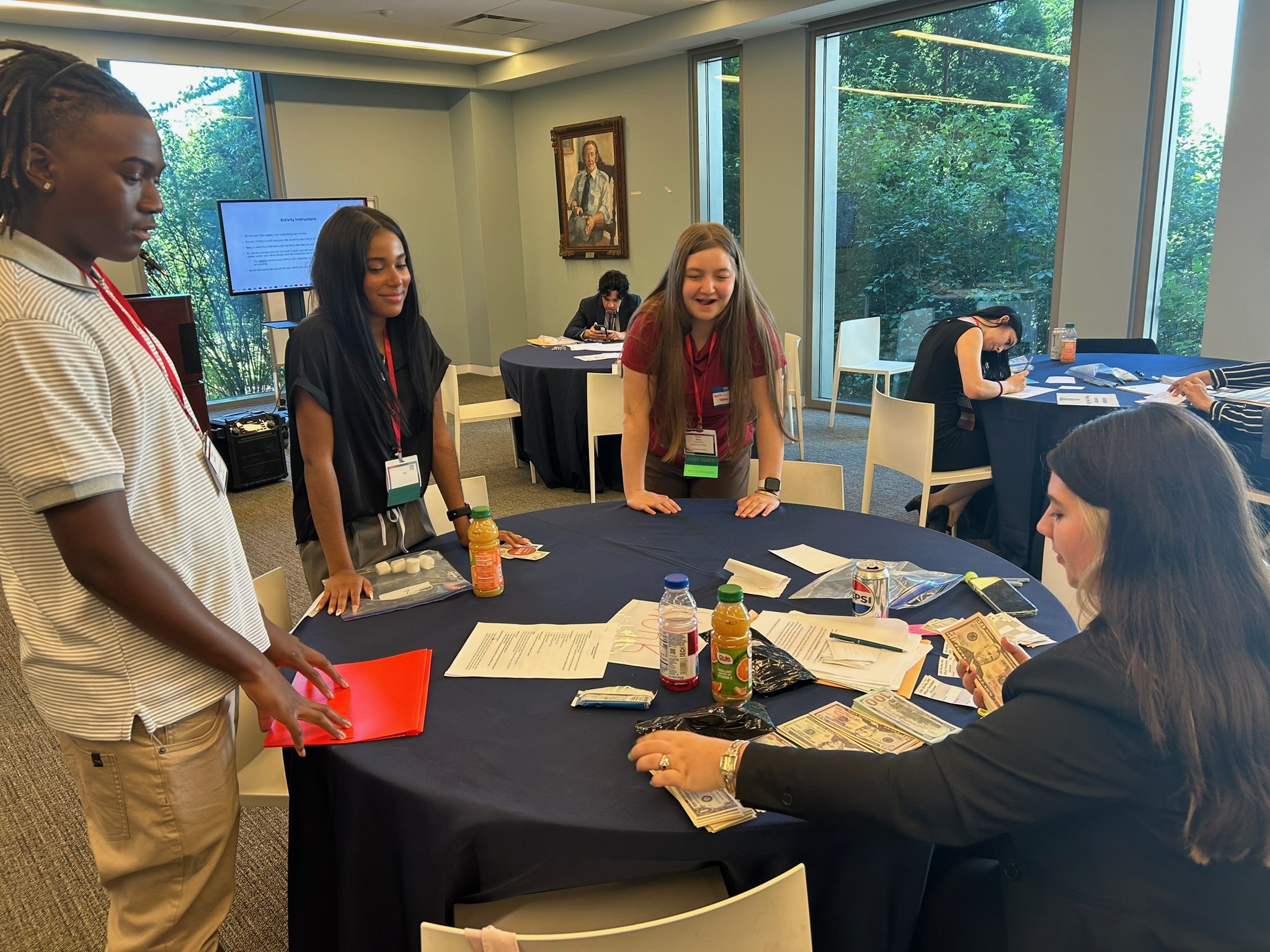
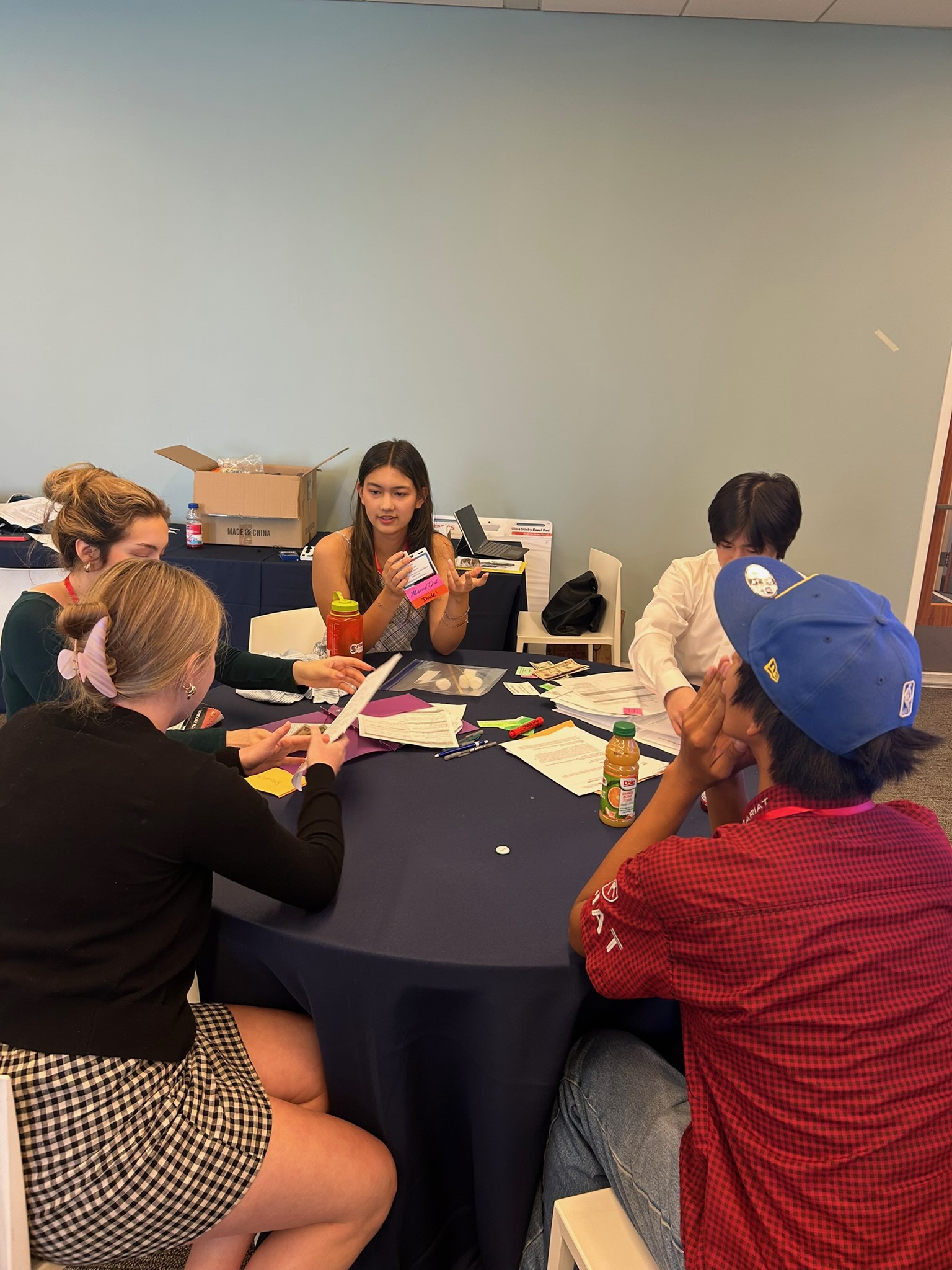
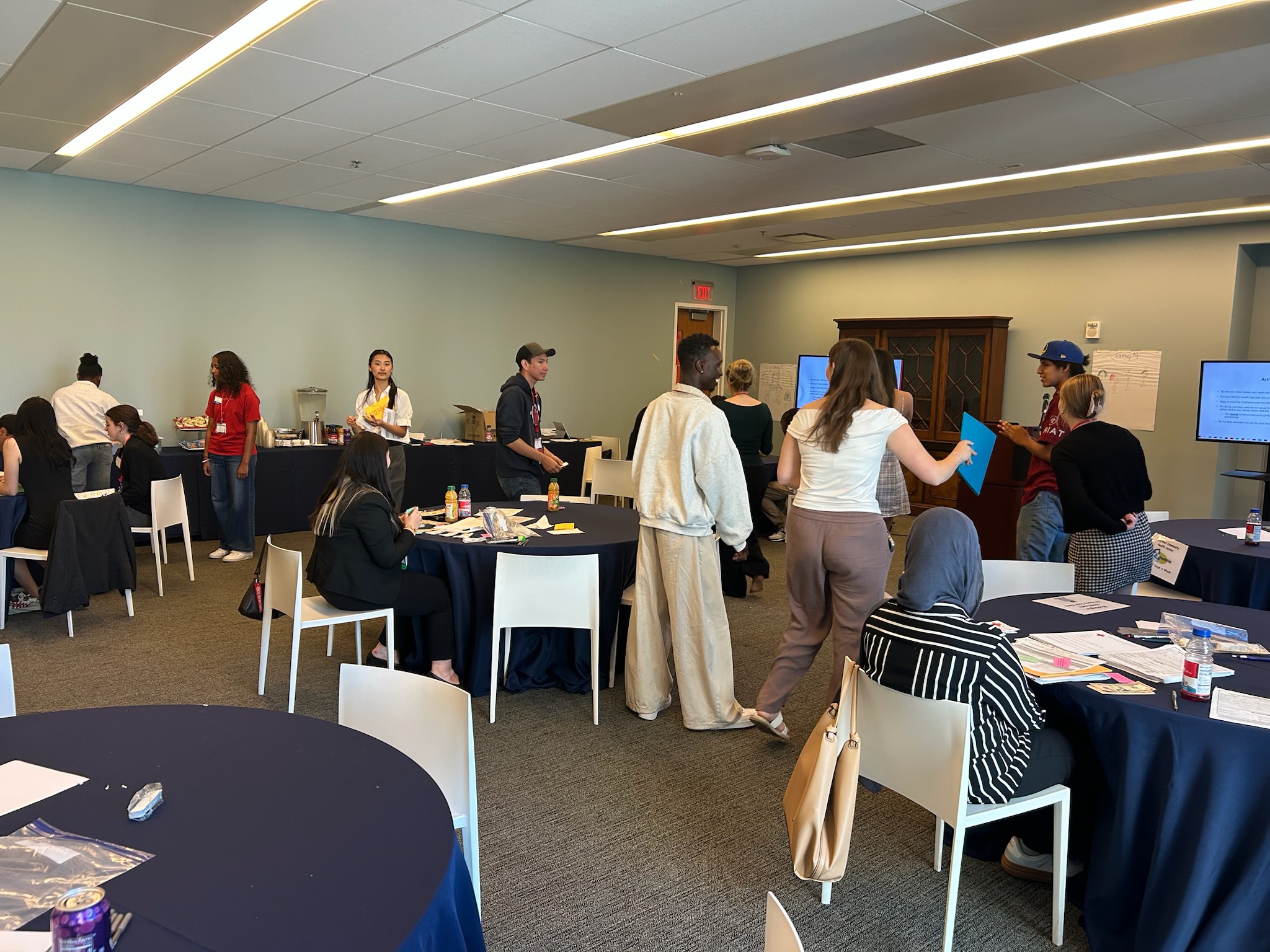
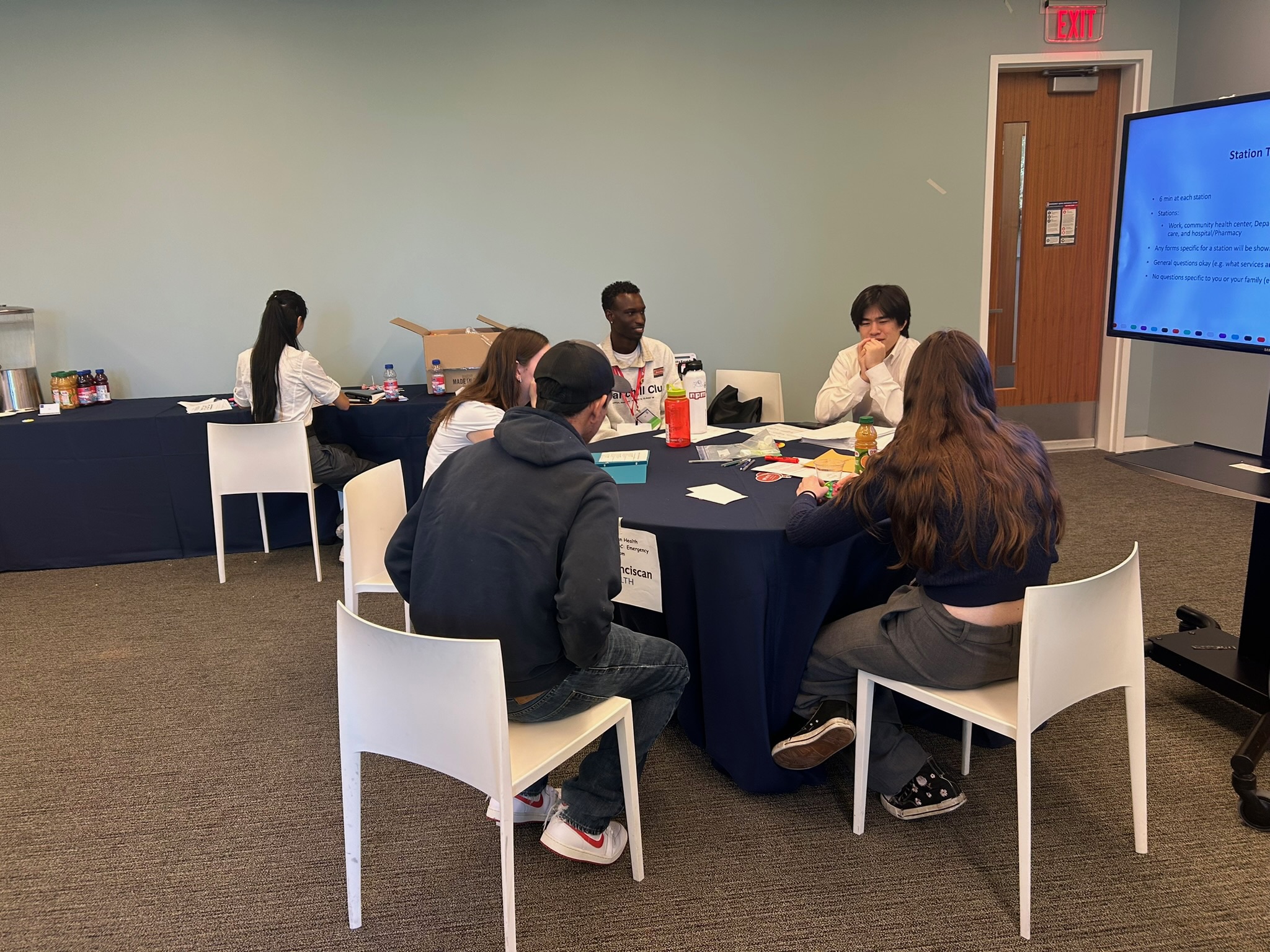
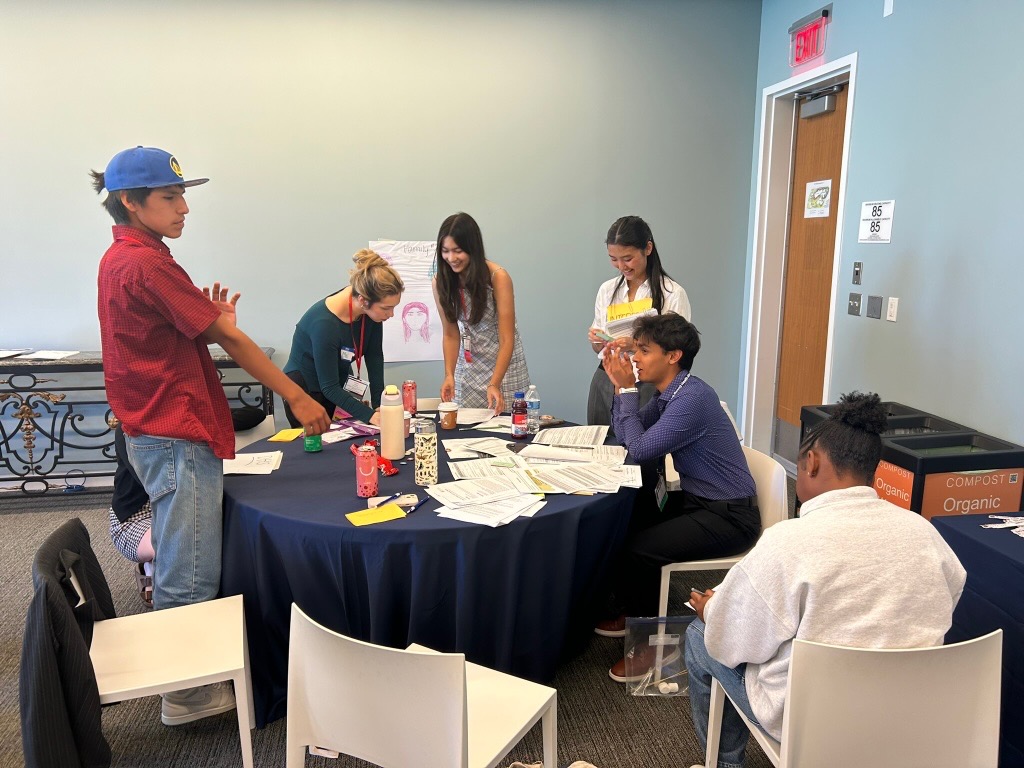
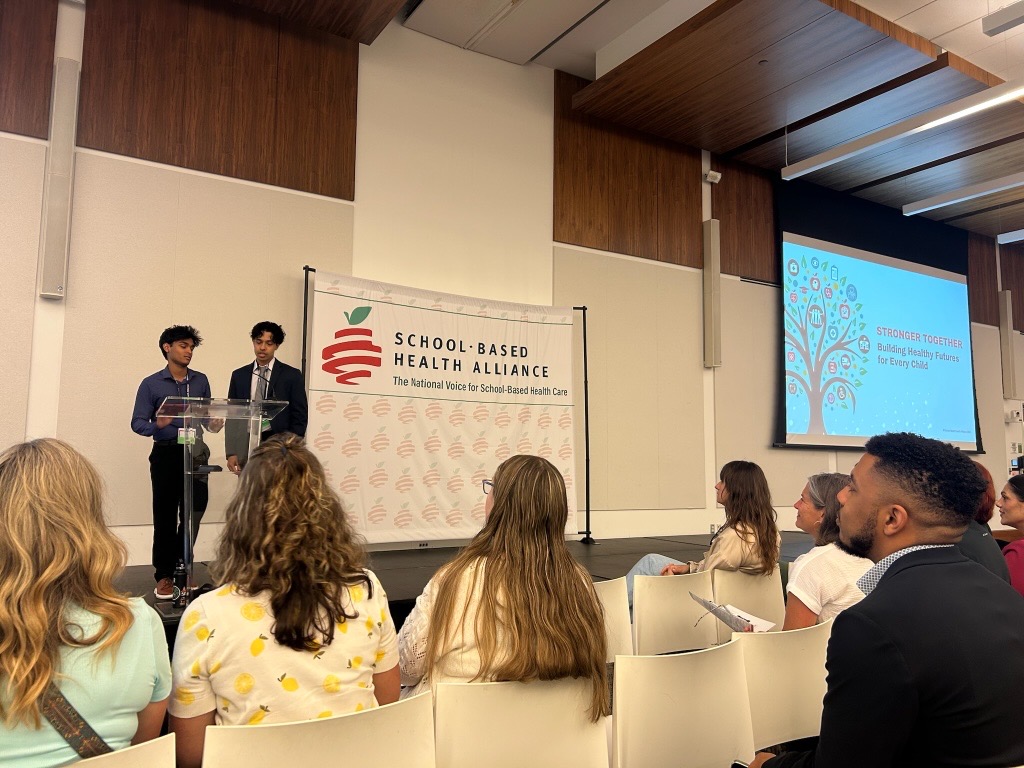
The 2026 ‘Be the Change’ Youth Training Program and National School-Based Health Care Conference demonstrated a continued commitment to elevating youth voices, ideas, and perspectives. Two members of the School-Based Health Alliance Youth Advisory Council who also serve on the School-Based Health Alliance Board of Directors, Rikhil Ranjit and Ketan Tamirisa, delivered remarks during the closing keynote, highlighting the critical role students play in advancing the school-based health field. Additionally, this year’s conference featured numerous workshops co-facilitated by youth leaders and sessions focused on youth development in school-based health care. Together, these efforts reflect the power of meaningful youth partnership, and the essential role young people play in shaping our field today.
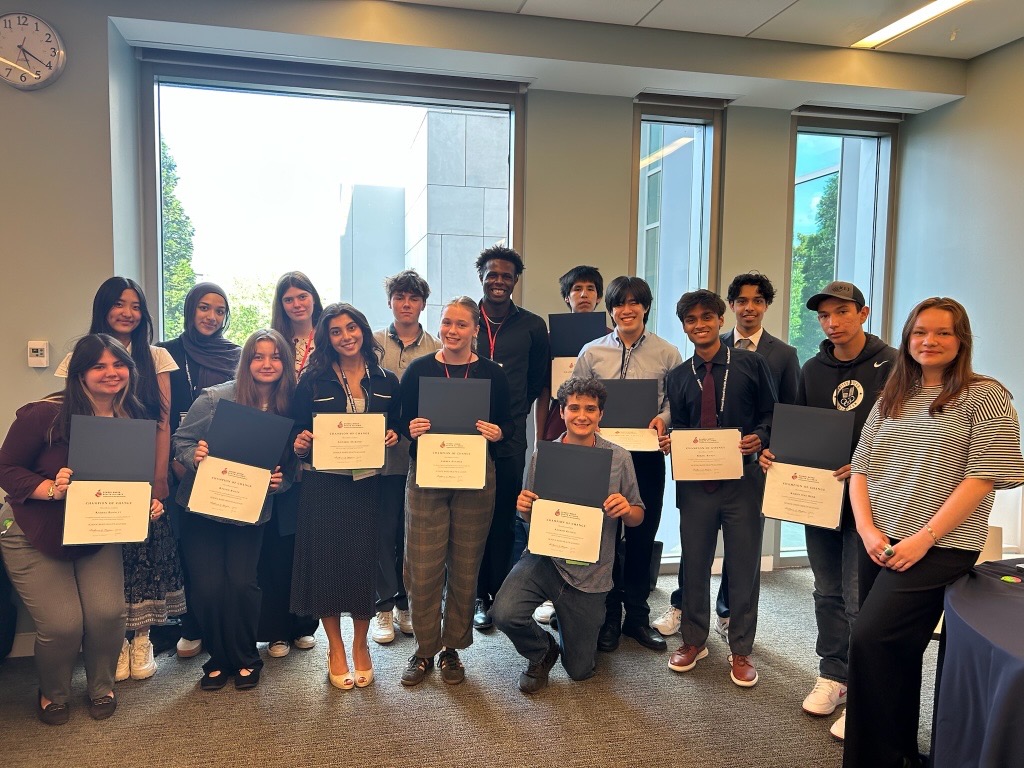
This year, we were proud to present several new awards recognizing youth for outstanding leadership and collective efforts in the school-based health field.
“The conference has not only given us a reason to meet all together, like, with shared views, but also, like, it brings together our differences and kind of bridges that gap between different states and different organizations that ultimately are all working towards the same thing.”
Conference Participant
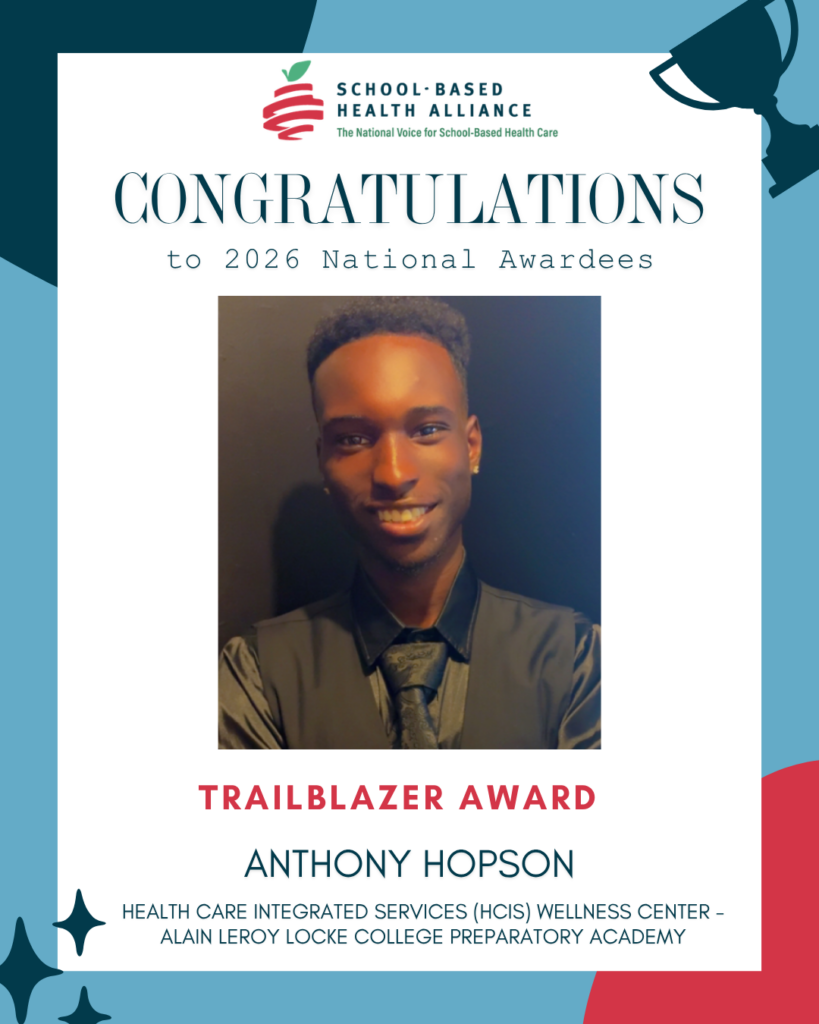
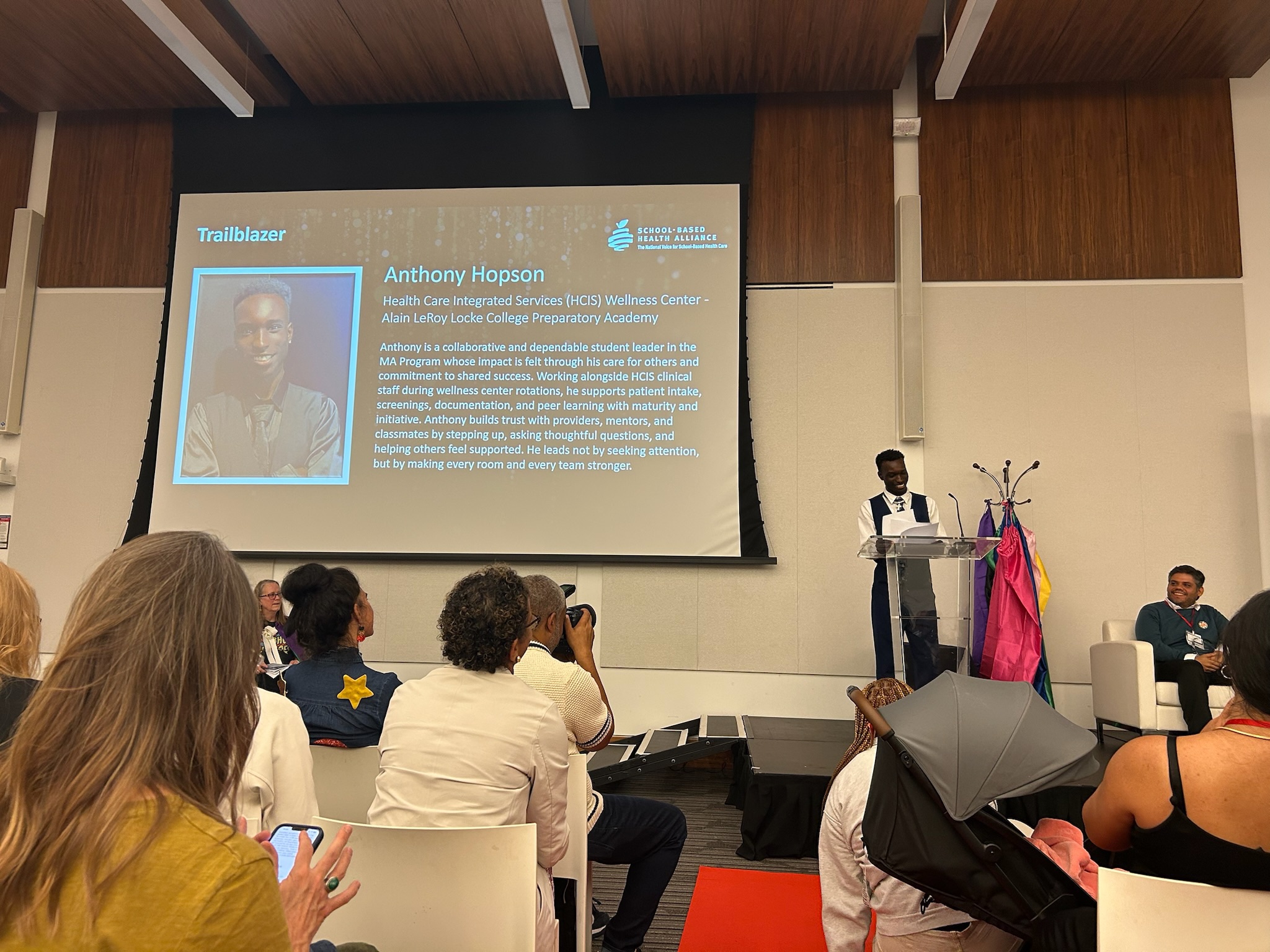
The Trailblazer Award was presented to Anthony Hopson, from Alain LeRoy Locke College Preparatory Academy representing the Health Care Integrated Services Wellness Center.
Anthony Hopson joined the Medical Assistant Program at Locke Academy unsure if healthcare was the right path, but quickly became a leader who helped his classmates succeed. He built strong relationships, supported peers through challenging coursework and clinical skills, and encouraged students to stay in the program when they struggled. Working in the on-campus HCIS wellness center, Anthony not only took his clinical responsibilities seriously but also helped connect other students to the health services available to them. Recognized by multiple teachers for his compassion and initiative, Anthony has strengthened the culture of his cohort by fostering trust, encouraging persistence, and ensuring his peers feel supported and capable of succeeding.
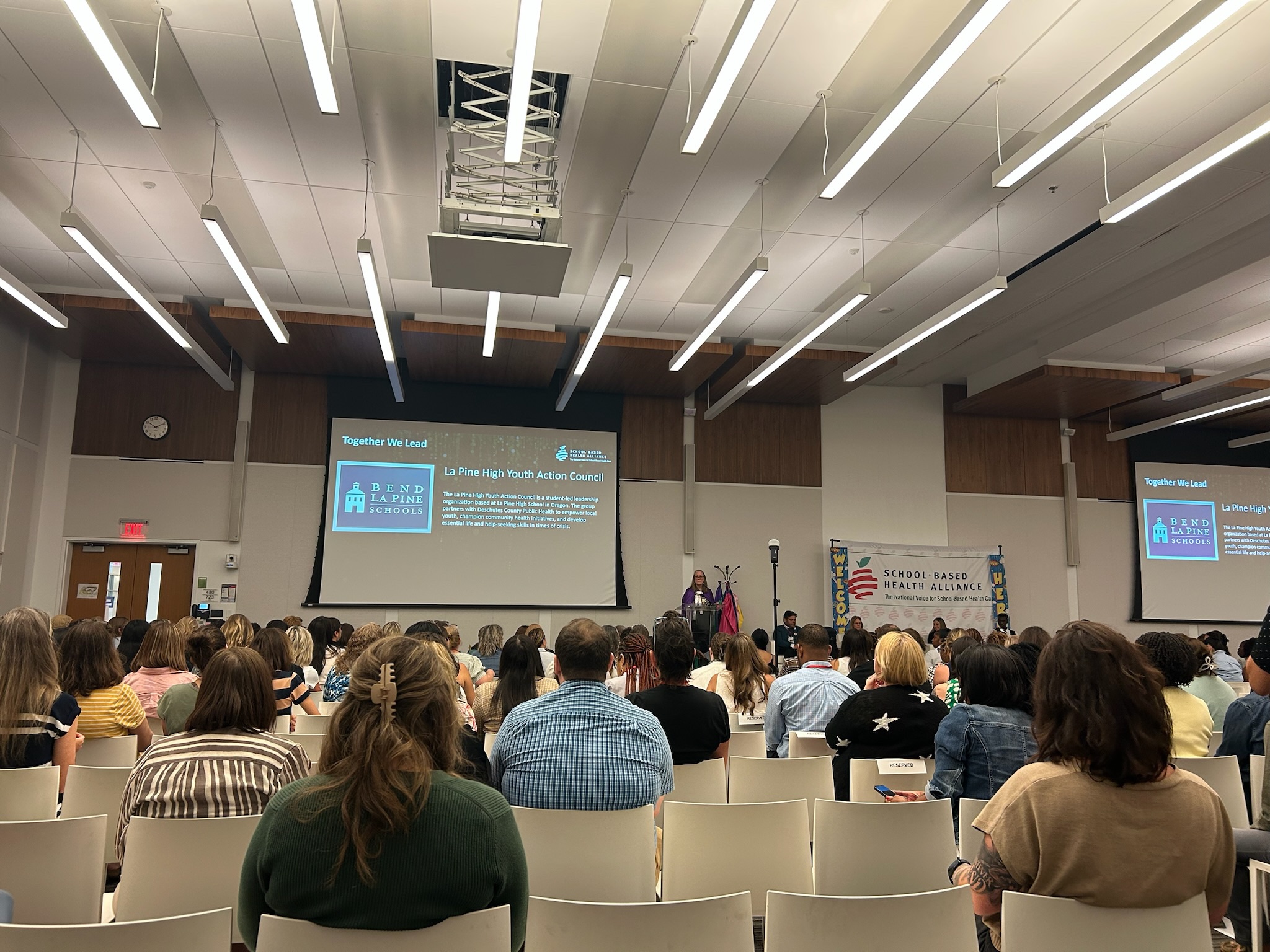
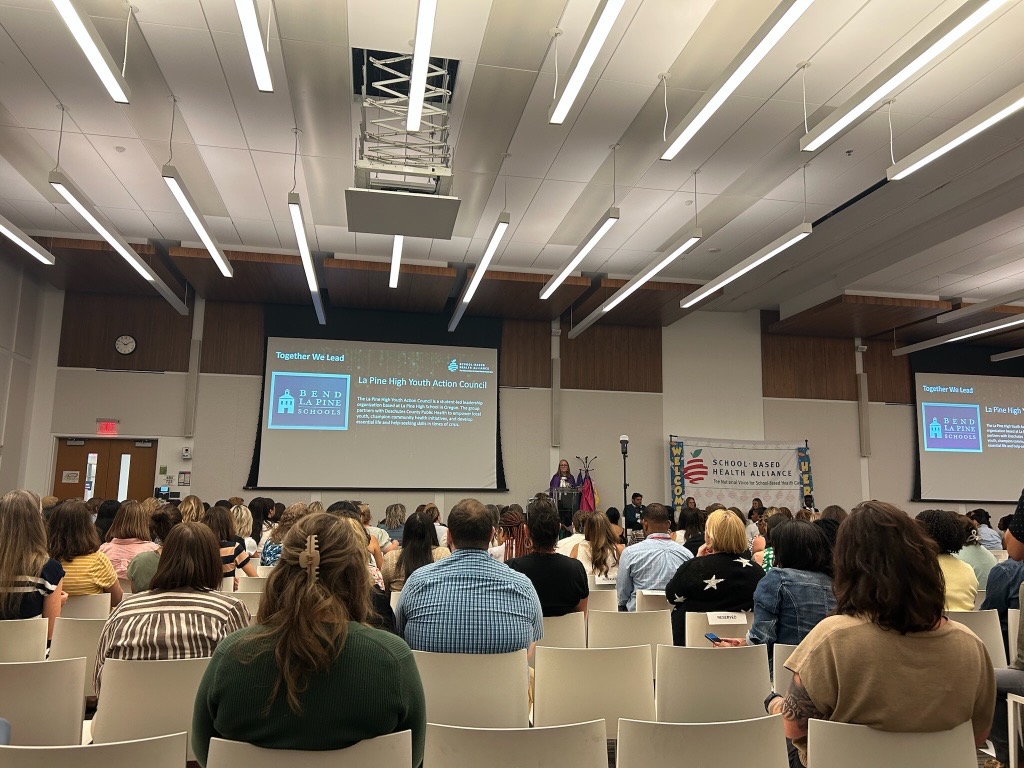
The Together We Lead Award was presented to the Minnesota School Based Health Alliance Youth Council and the La Pine Youth Action Council.
- The Minnesota School Based Health Alliance Youth Council is a student-led group that inspires high school students to shape school-based health through advocacy, collaboration, and peer-led initiatives. Since its launch in 2024, the Council has led statewide campaigns on sleep health and student burnout, helped improve the Minnesota Department of Health’s Adolescent and Young Adult Health Questionnaire, and advocated for policies that promote safe, inclusive school environments. By combining youth leadership, research, and systems-level advocacy, the Council has reached thousands of students while ensuring that young people’s voices directly inform health programs and policies across Minnesota.
- The La Pine Youth Action Council inspires students to improve health and well-being by promoting the school-based health center and leading projects that support their peers. Over the past year, members expanded participation in the club, created a more welcoming health center through student-led improvements, assembled winter resource bags for students and families in need, launched a schoolwide “Joyful Project” that engaged more than half the student body following a community loss, and developed educational health and wellness campaigns. Their efforts have increased awareness of the school-based health center, strengthened connections among students, and fostered a more supportive, youth-centered school community.
“This is my second year at the conference, and I think each year, I learn something new about someone else’s school-based health center service, or something else I can bring back to the community that I’m from.”
Conference Participant
Our Workshops
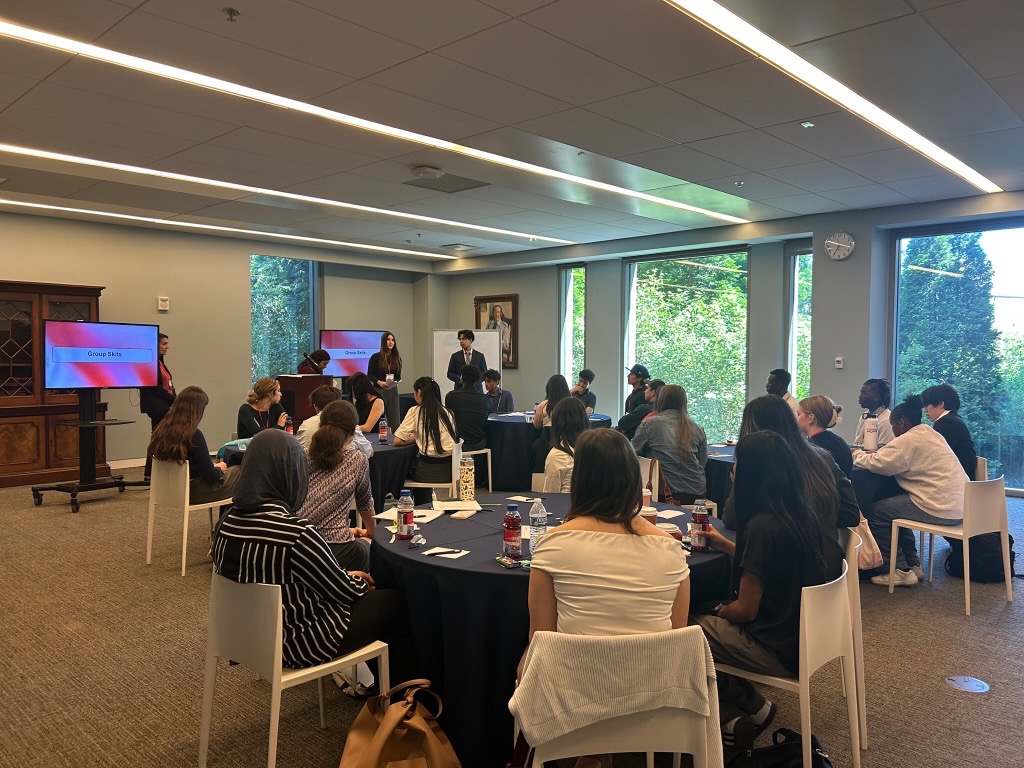
“My Drug Story. What’s Yours? – The Sequel!” by Marcia Zorrilla DrPH, MPH, Brenda Rodas, Sarah Bagheri, and Ketan Tamirisa
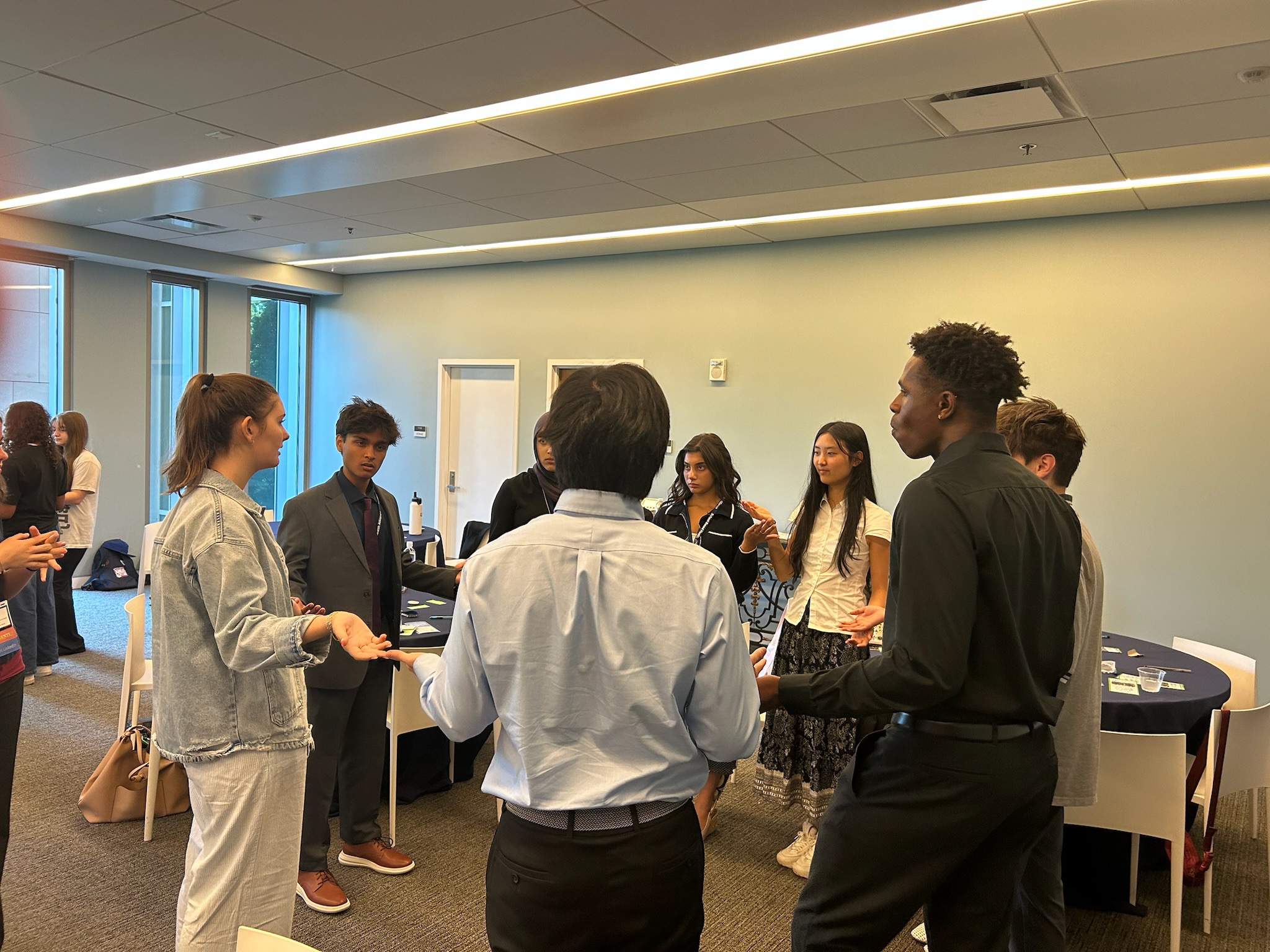
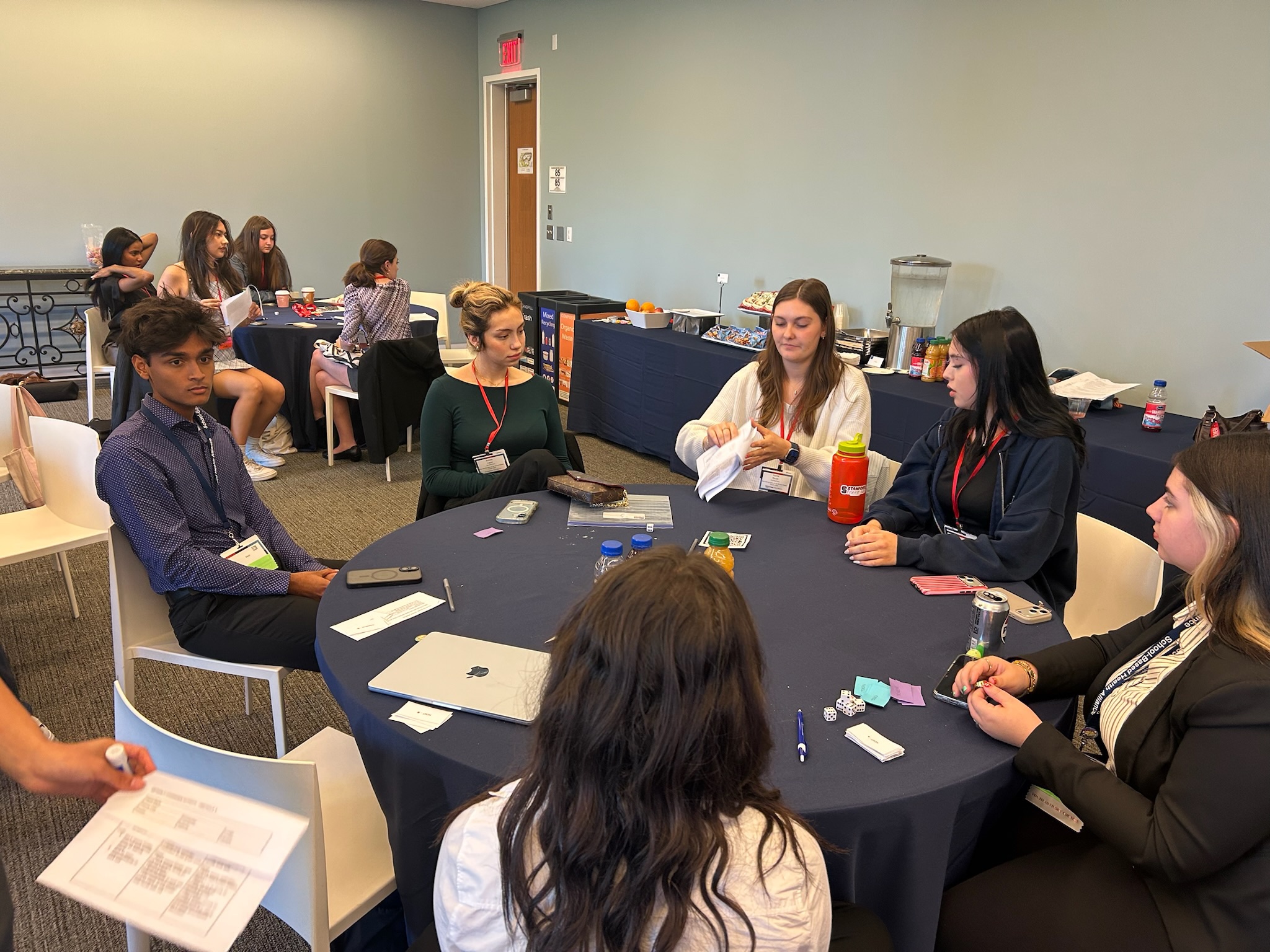
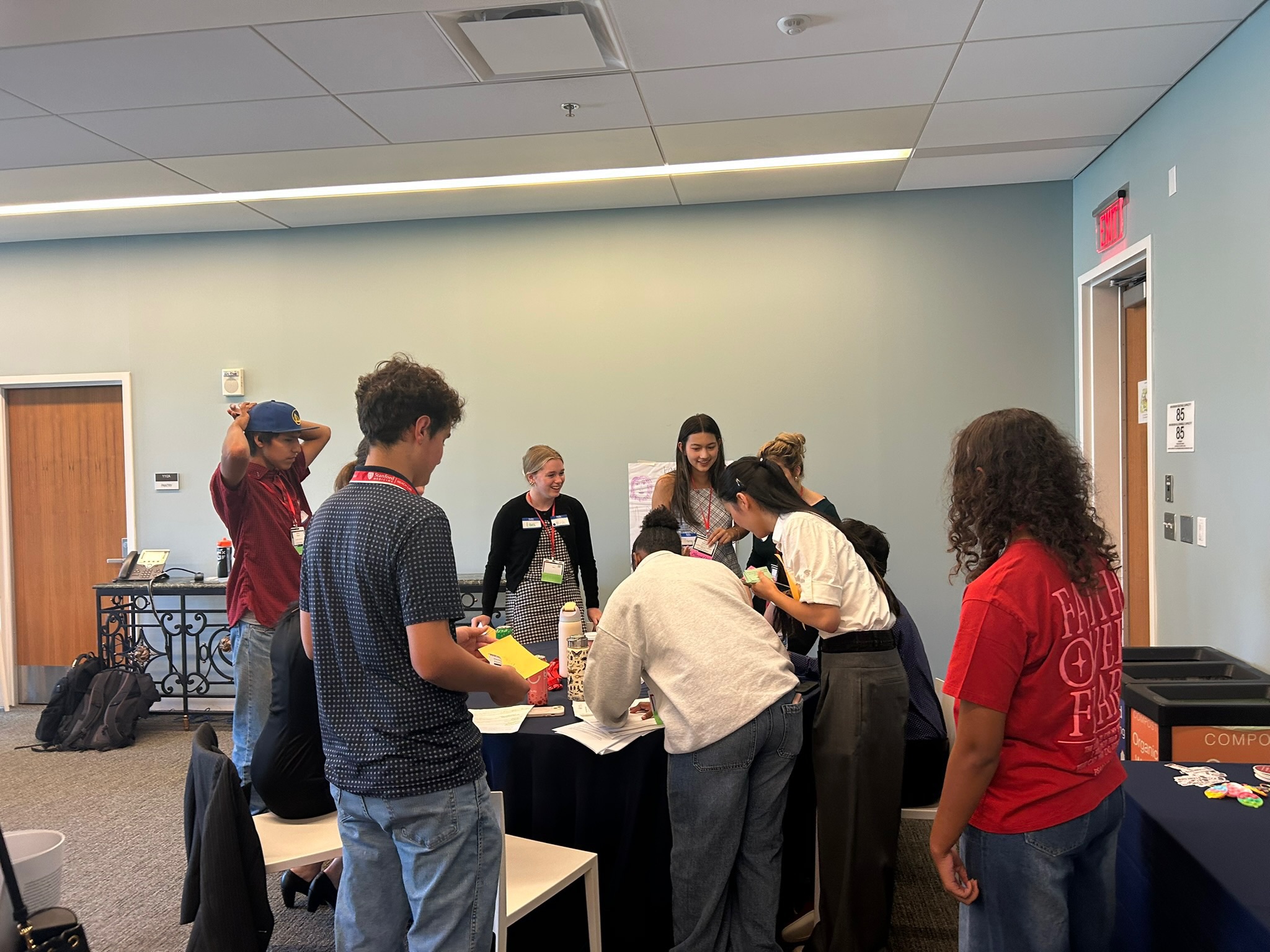
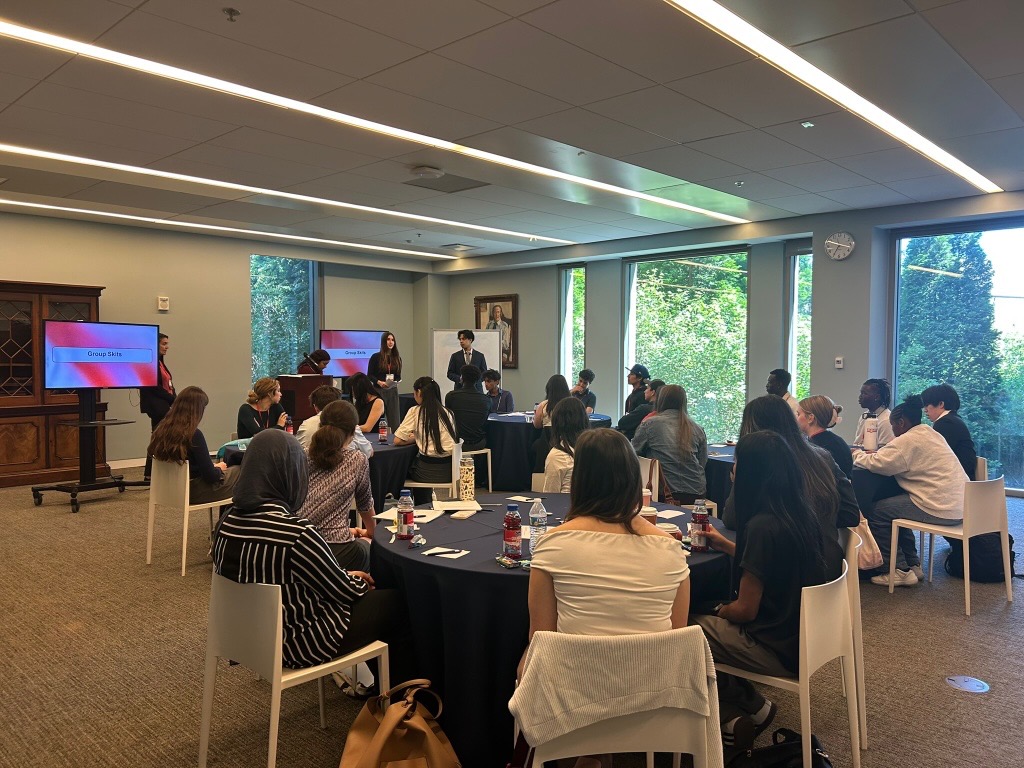
Everyone has a story to share about how substance use and unhealthy relationships can show up together in real life. The Stanford REACH Lab Youth Action Board (YAB) will be sharing their stories and will invite the youth audience to share as well. In small groups, the audience will use Forum Theatre techniques and act out skits based on shared stories and to create the change they want to see. Developed by Augusto Boal, Forum Theatre is a participatory form of theatre that engages the audience in examining the oppressions seen and discussing the possibilities of “rehearsing” options to change the outcome of the theatre piece.
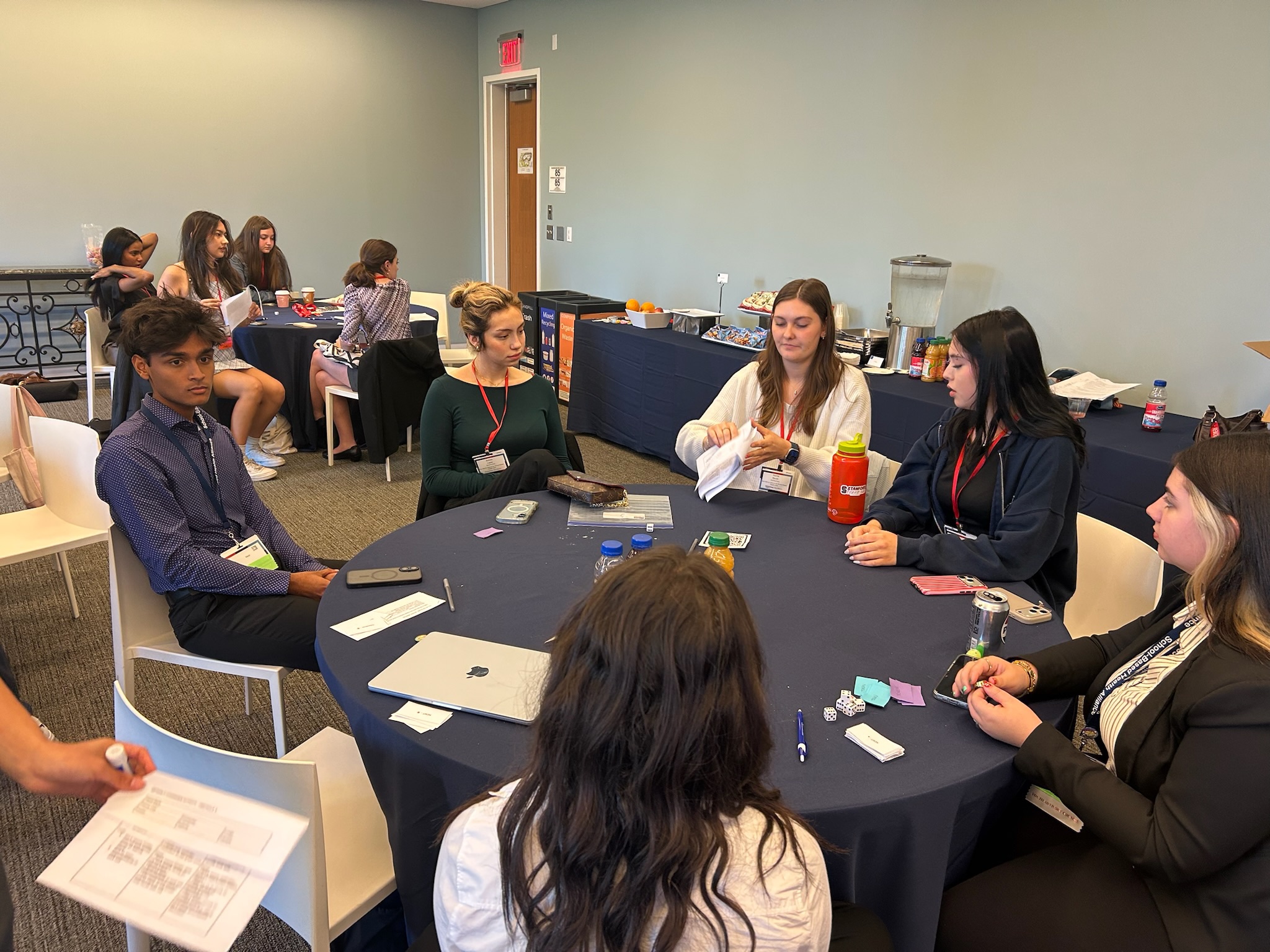
You, Me, and SBHCs by Kauree Bennett, Muntaha Rahman, Annabel Sparano, Jeesoo Suh, and Ketan Tamirisa
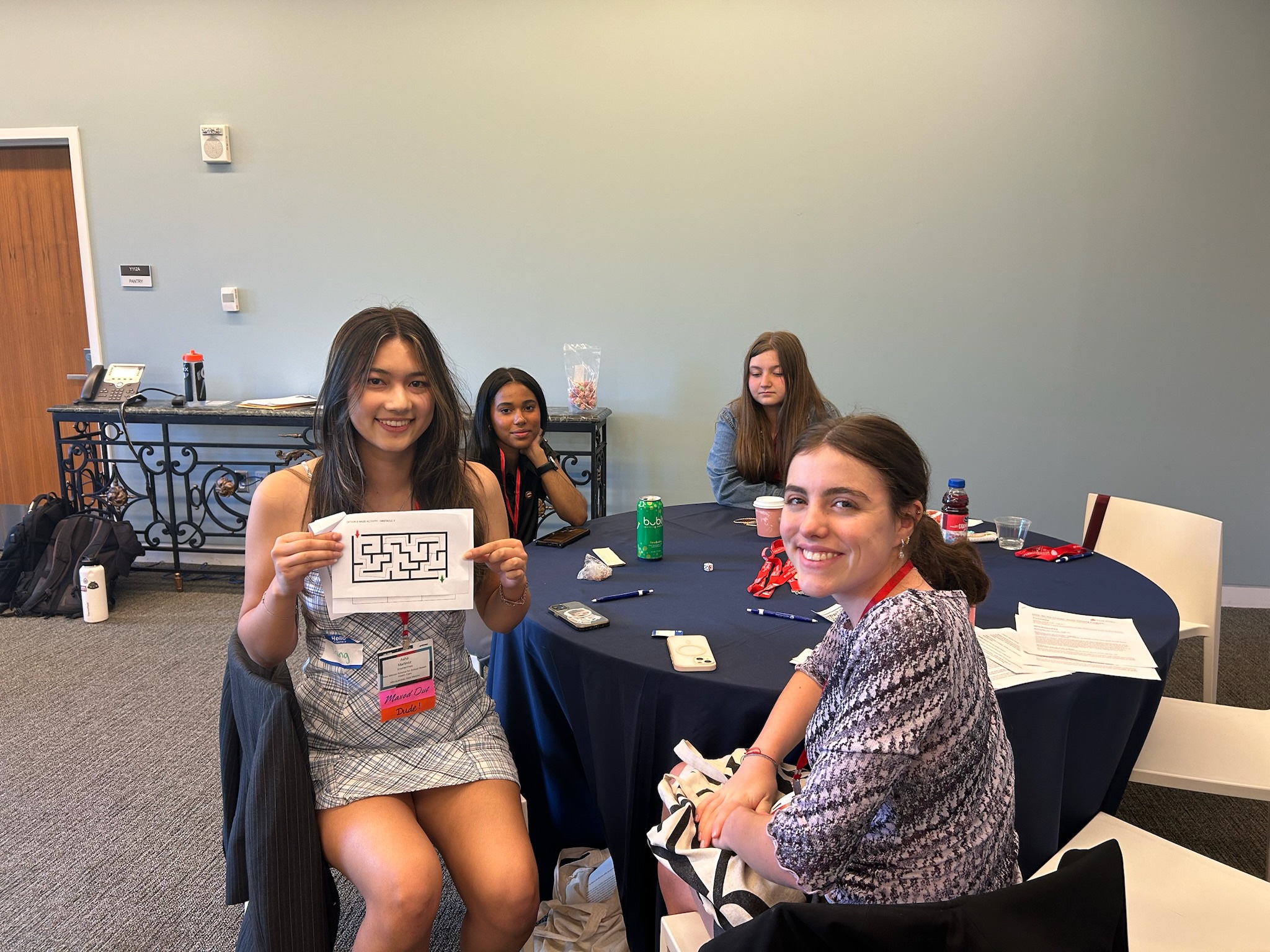
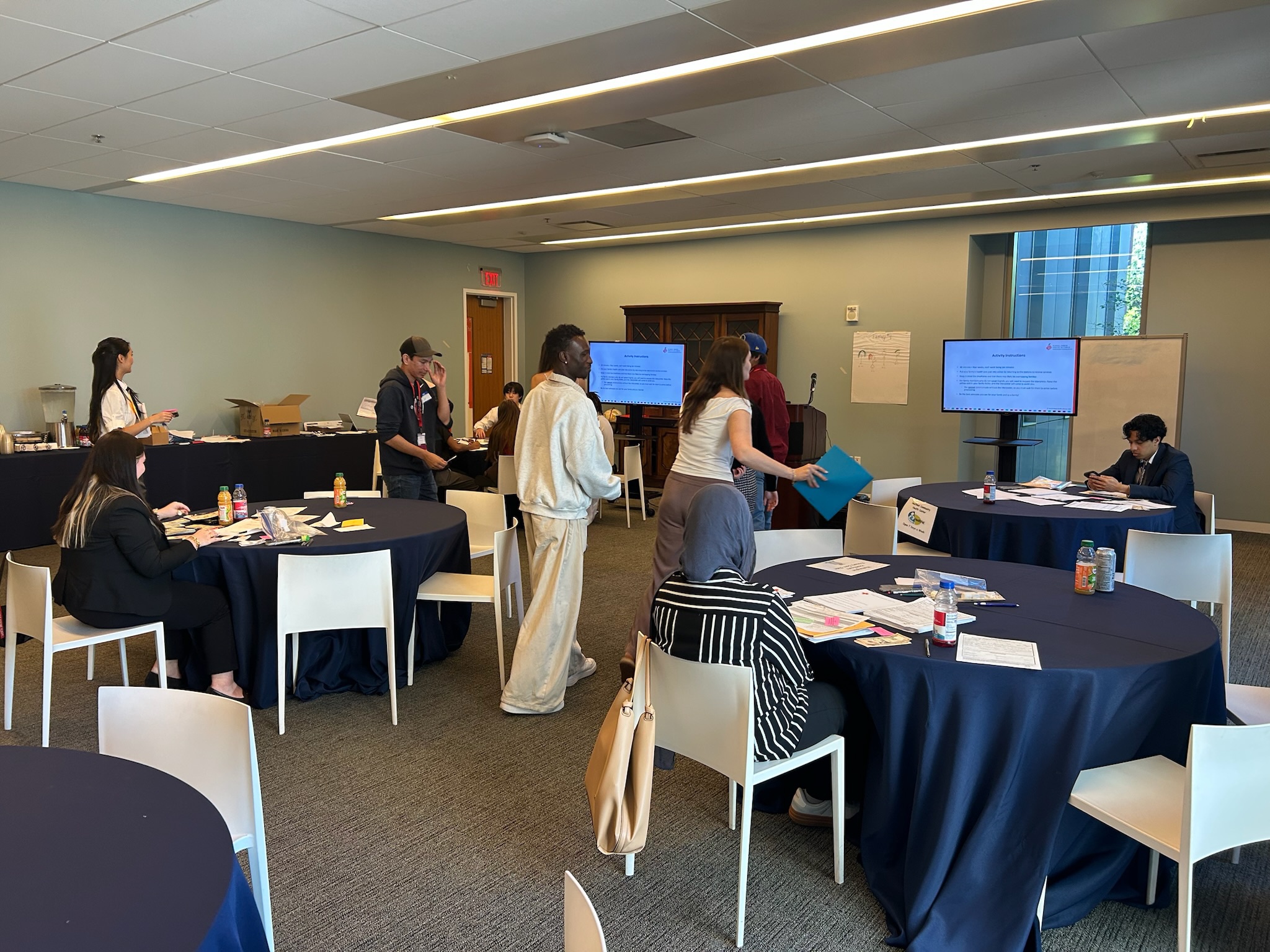
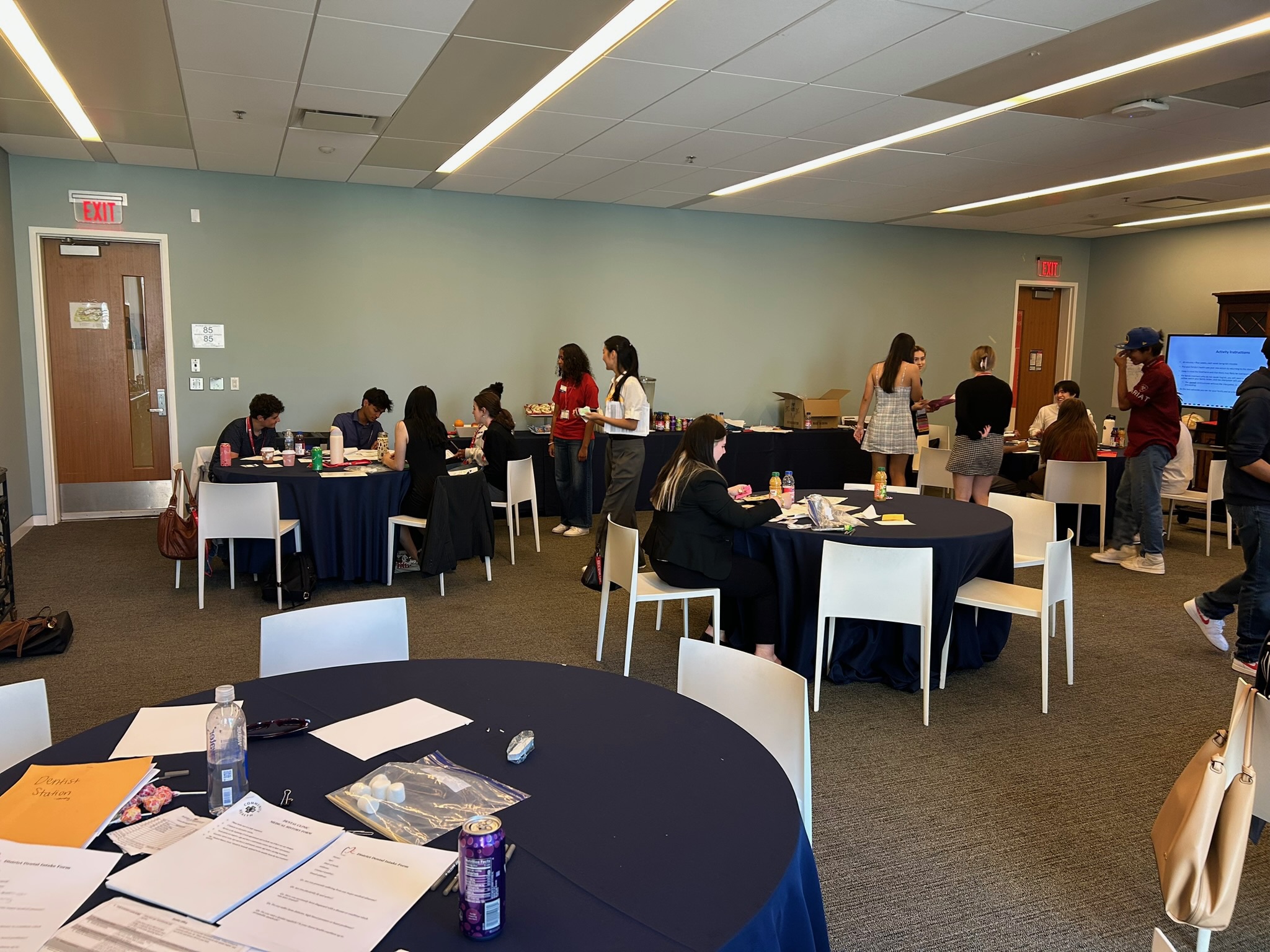
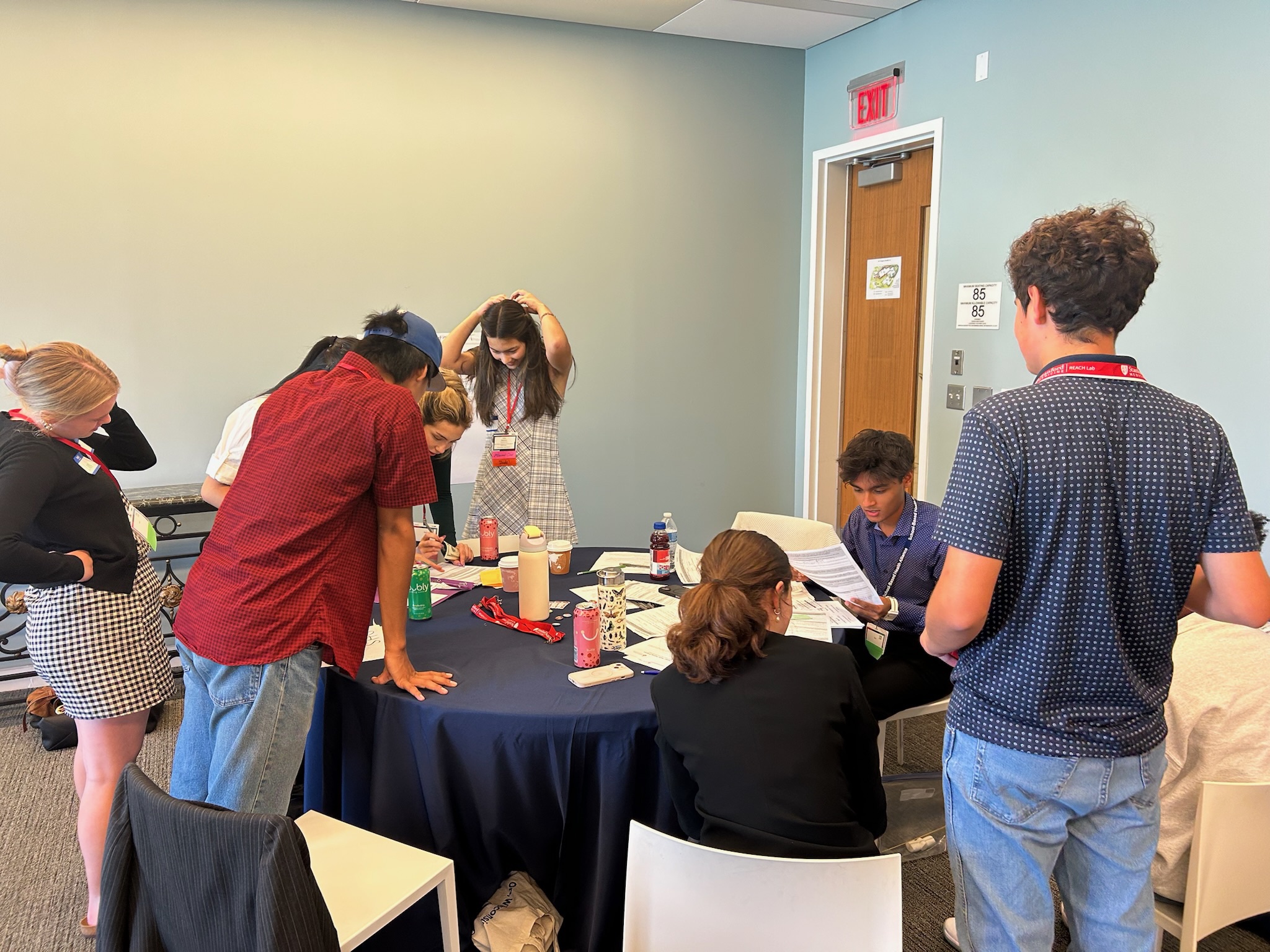
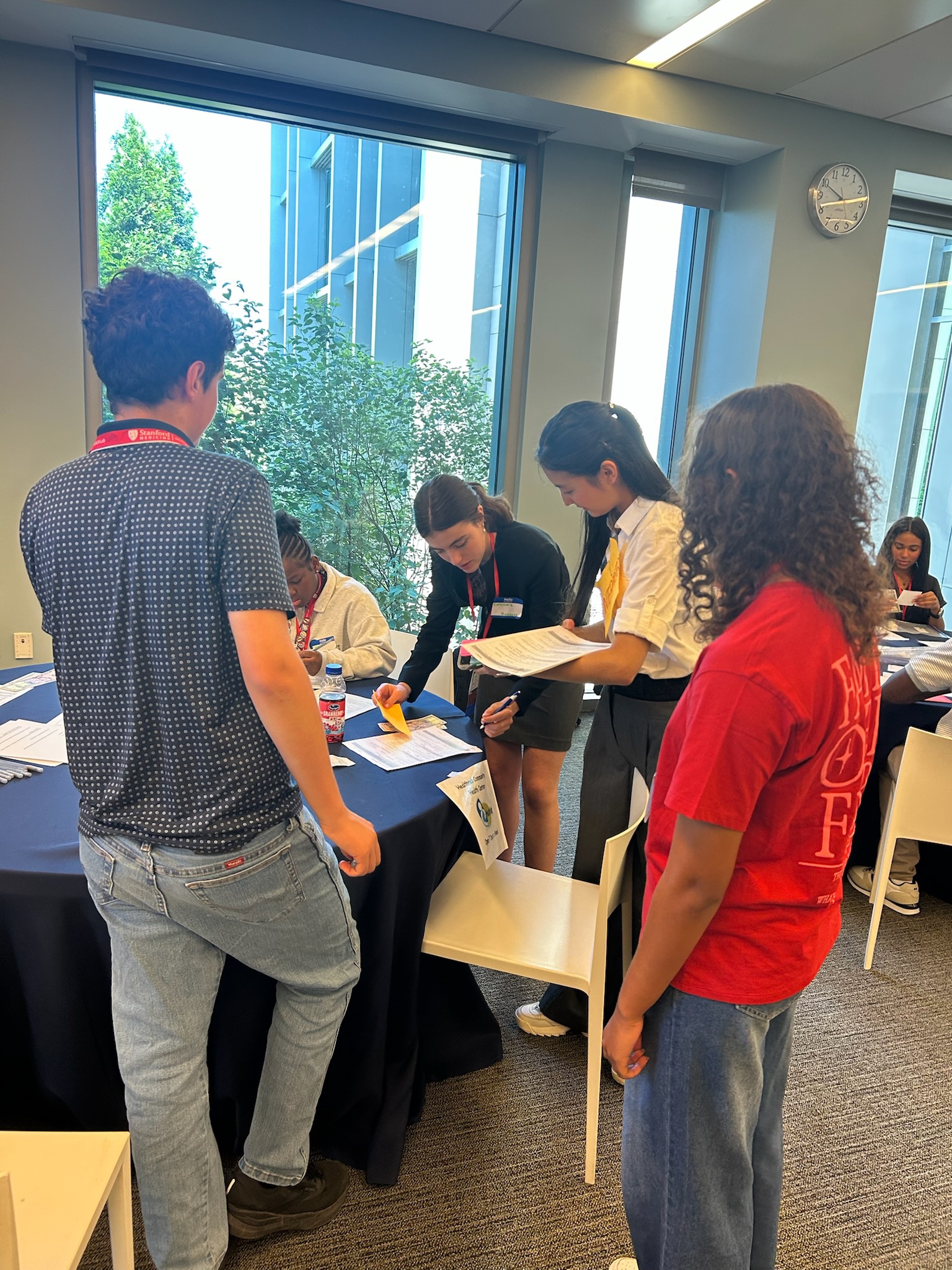
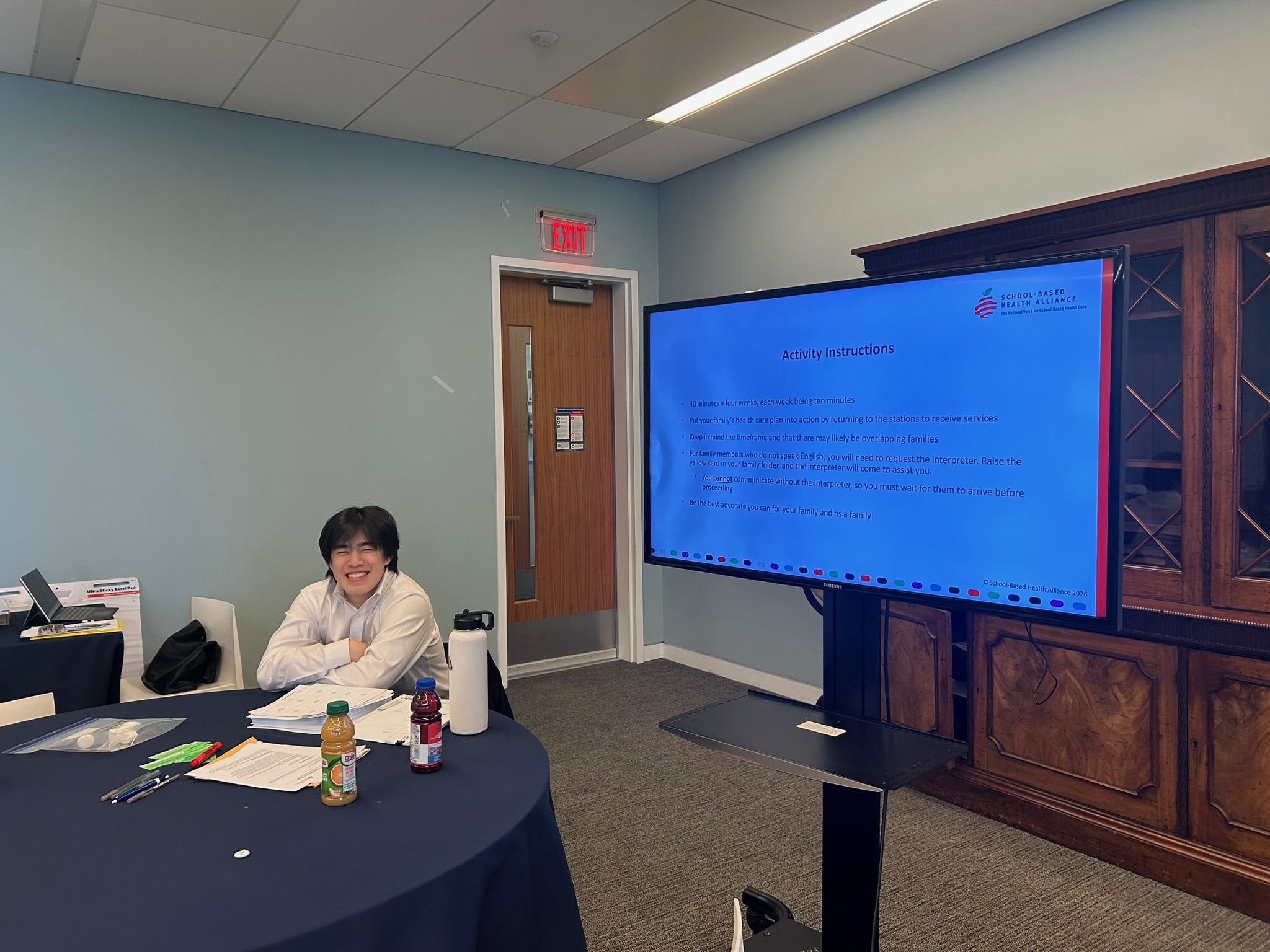
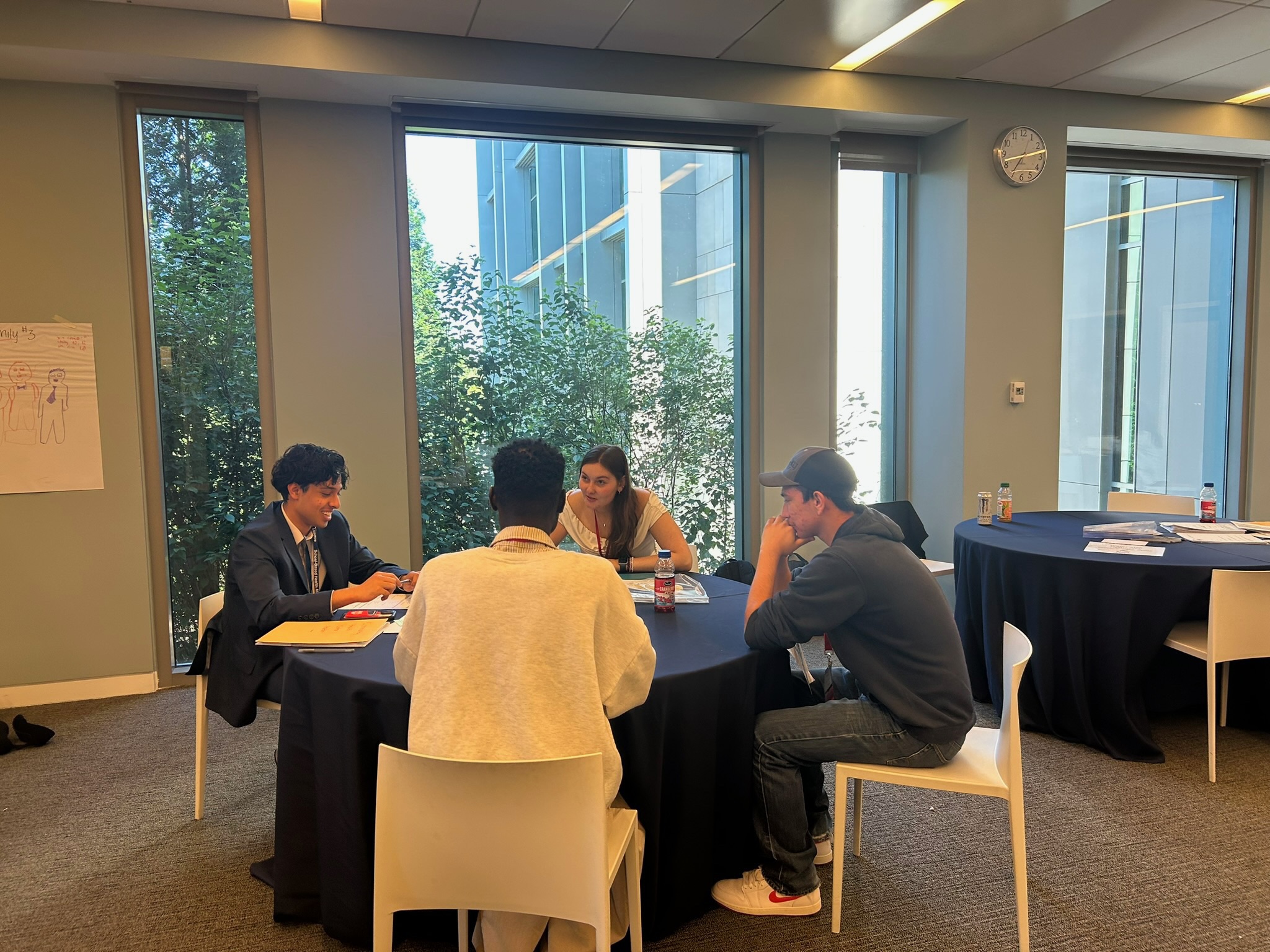
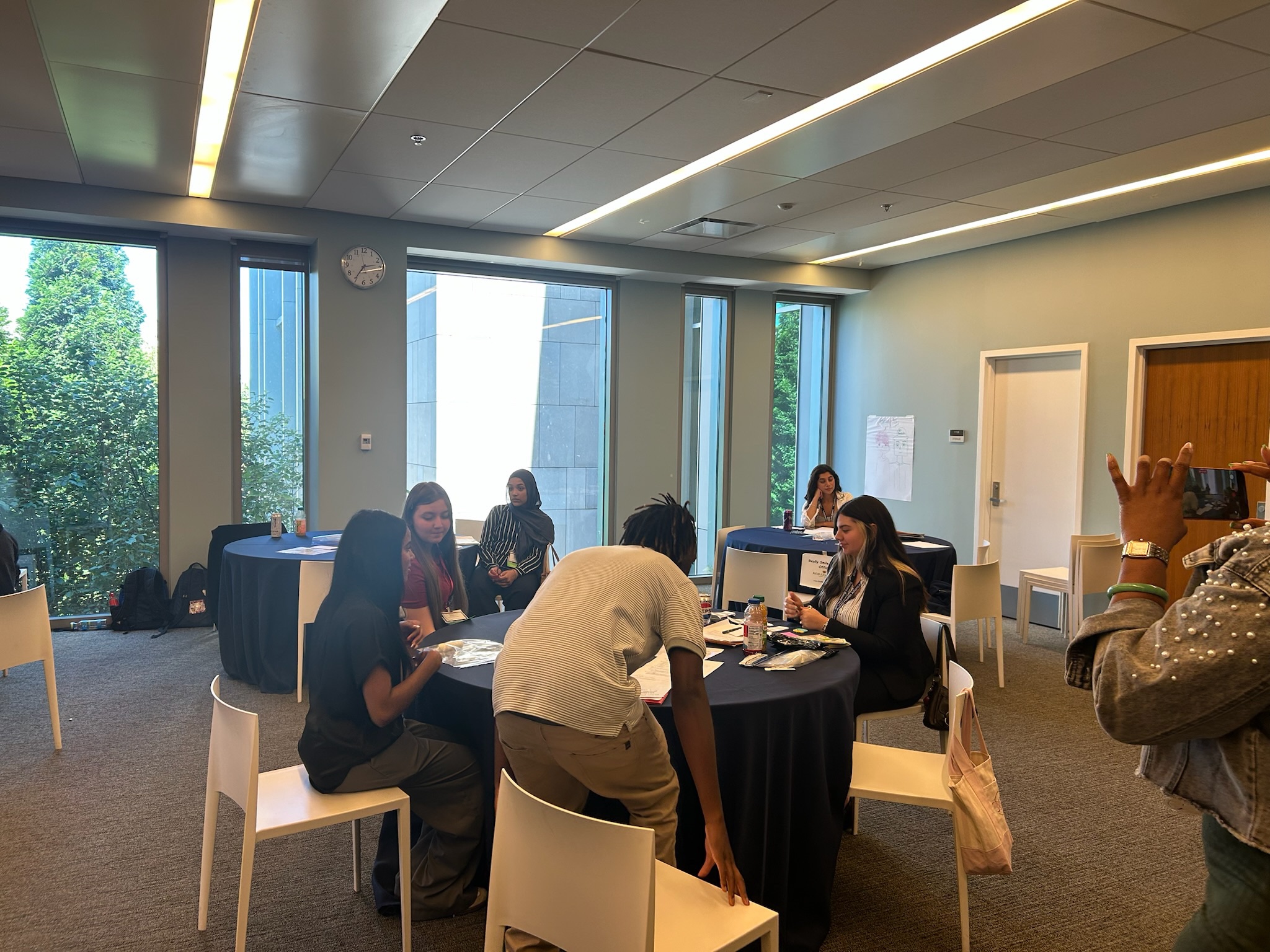
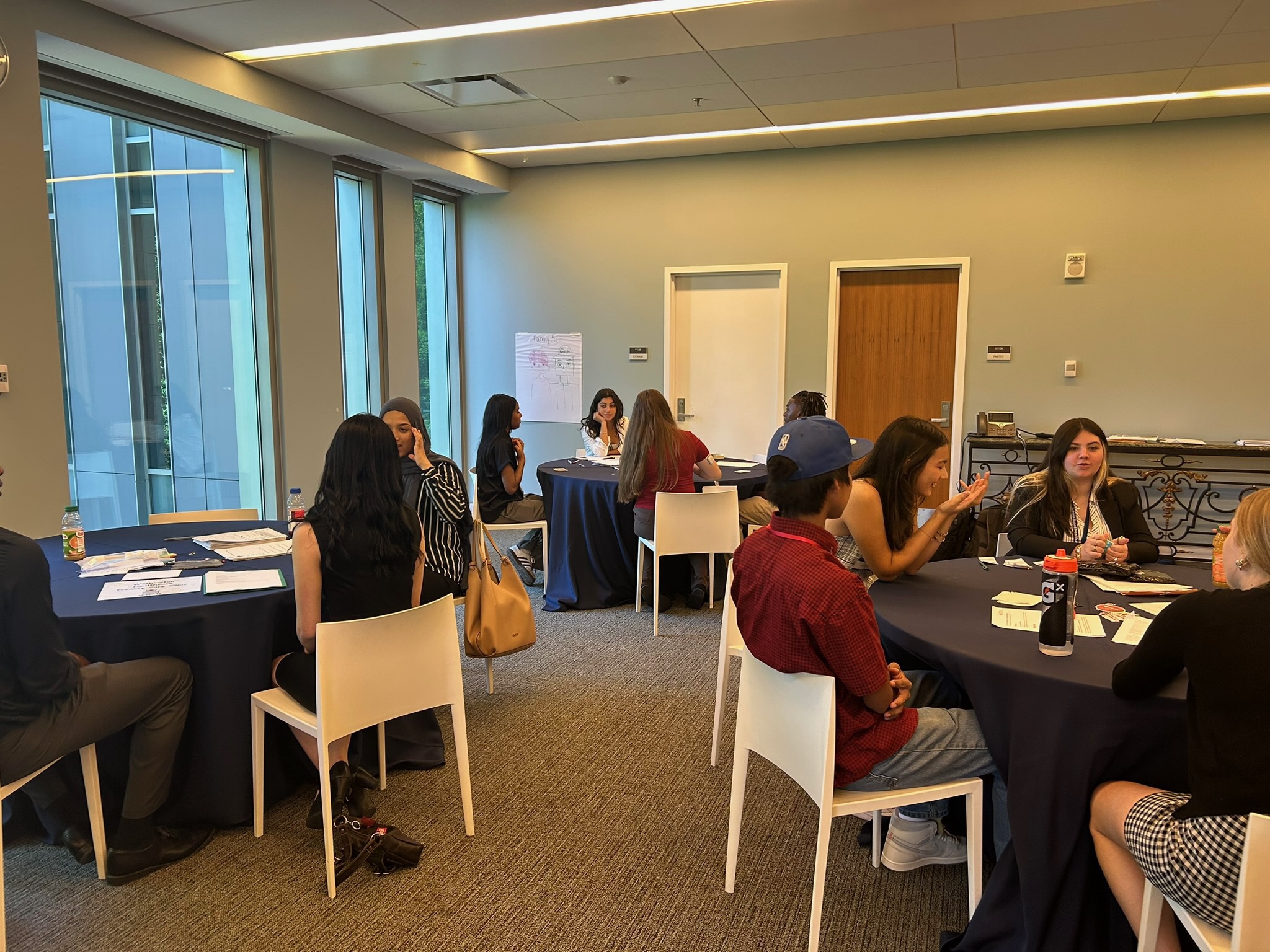
Participants will engage in an interactive knowledge-building activity designed to assess existing understandings of SBHCs and prompt curiosity about how care is delivered in school settings. The session then explores how access to healthcare is shaped by broader structural factors, including geography, socioeconomic conditions, and power dynamics. Through guided reflection and dialogue, participants will think about how these dynamics influence help-seeking behaviors and identify opportunities to shift systems toward greater accessibility and equity. SBHCs are presented as a model that addresses many of the existing gaps in healthcare, emphasizing their role in reducing barriers to care and connecting students and families to broader support systems. Participants will apply these concepts through a scenario-based activity that illustrates how health, education, and social factors intersect life experiences. The workshop concludes with a focus on agency and navigation. Participants will examine how youth and families can access services and support informed decision-making while advocating within healthcare systems. The workshop will reinforce the importance of autonomy and shared responsibility in promoting equitable care access.
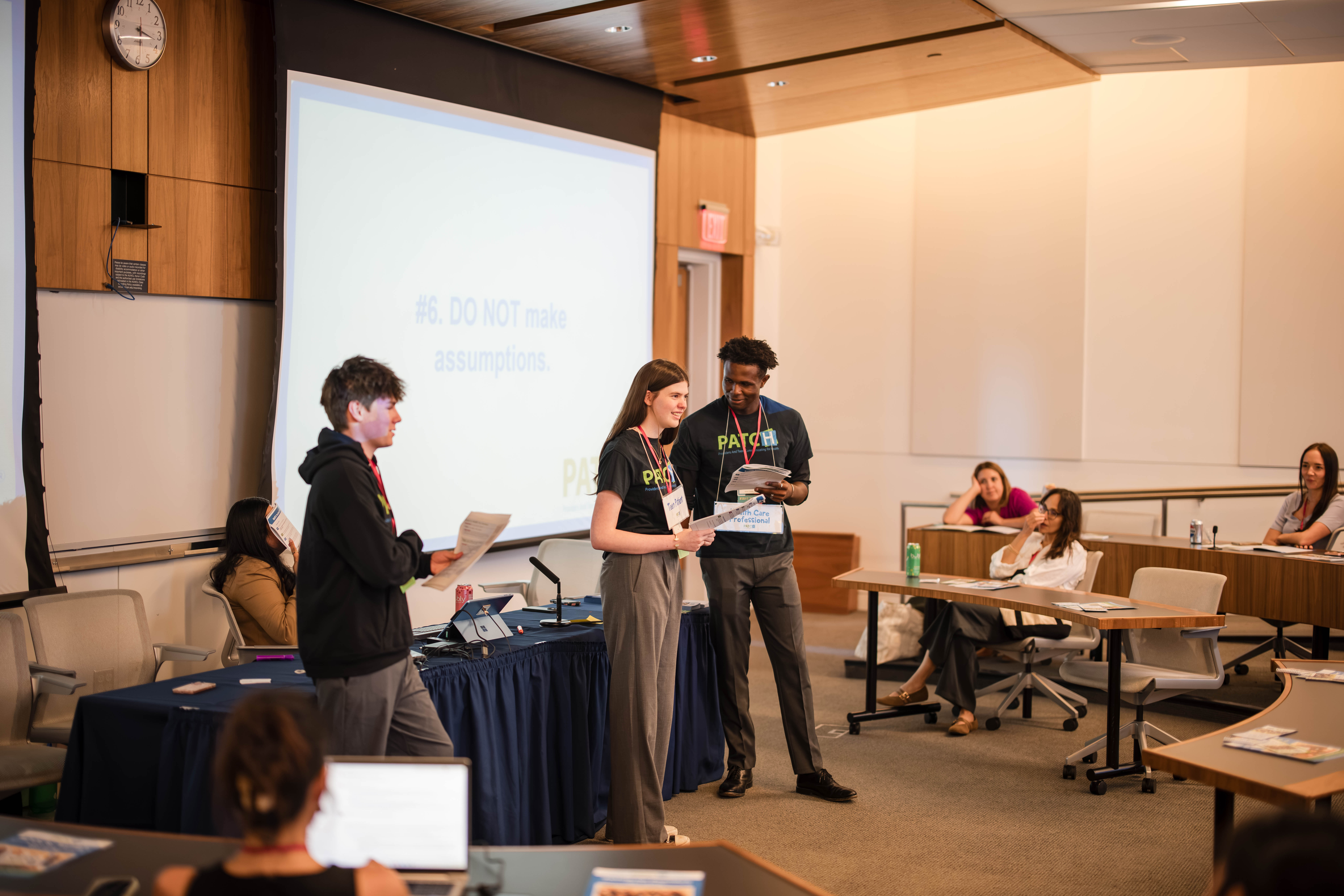
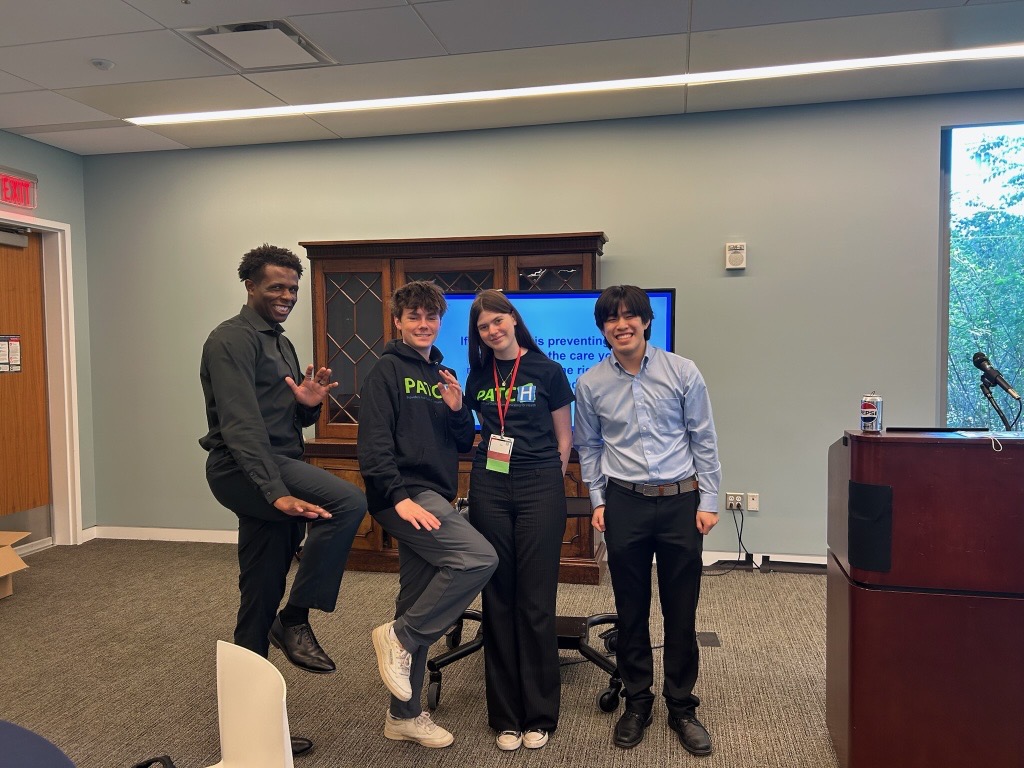
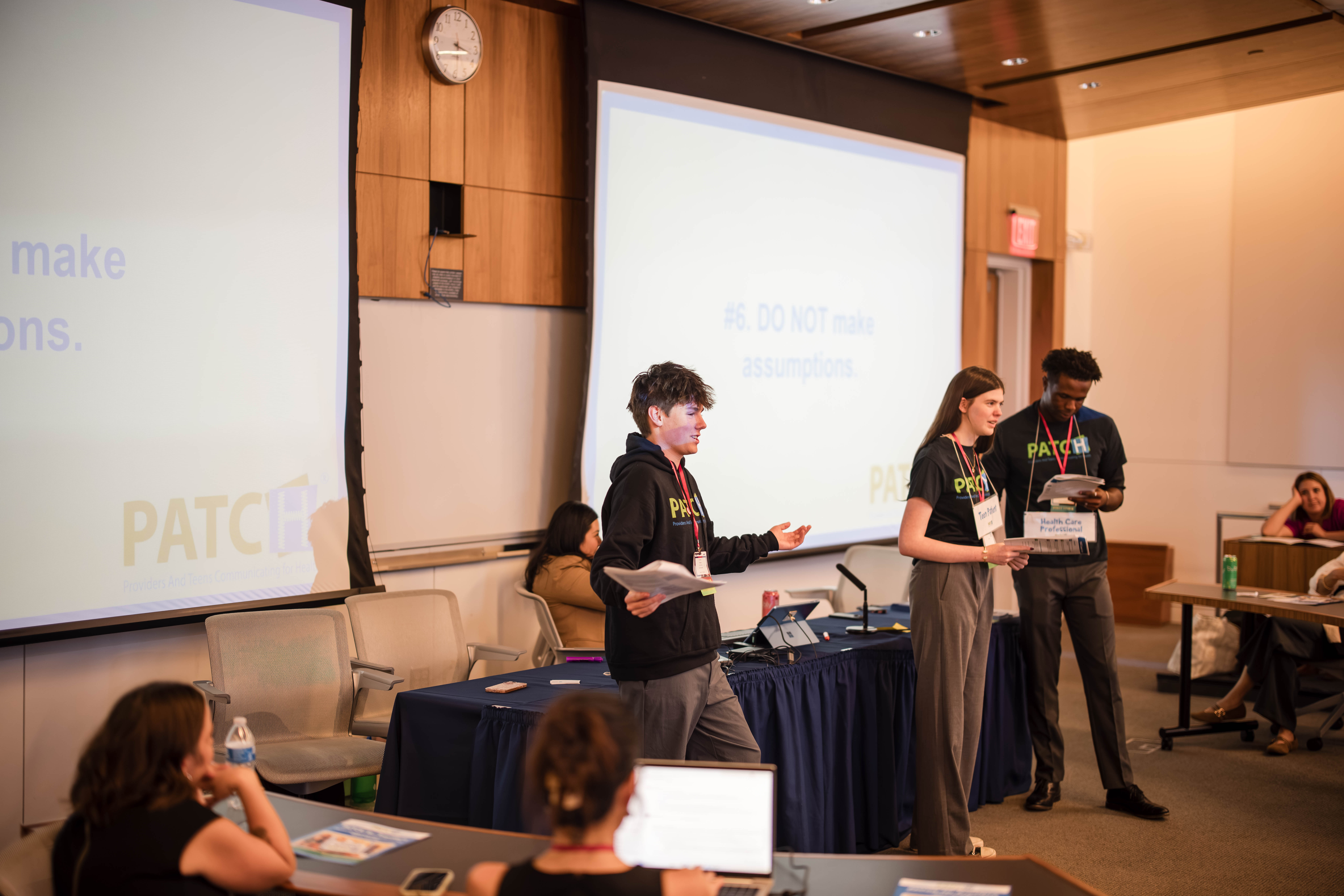
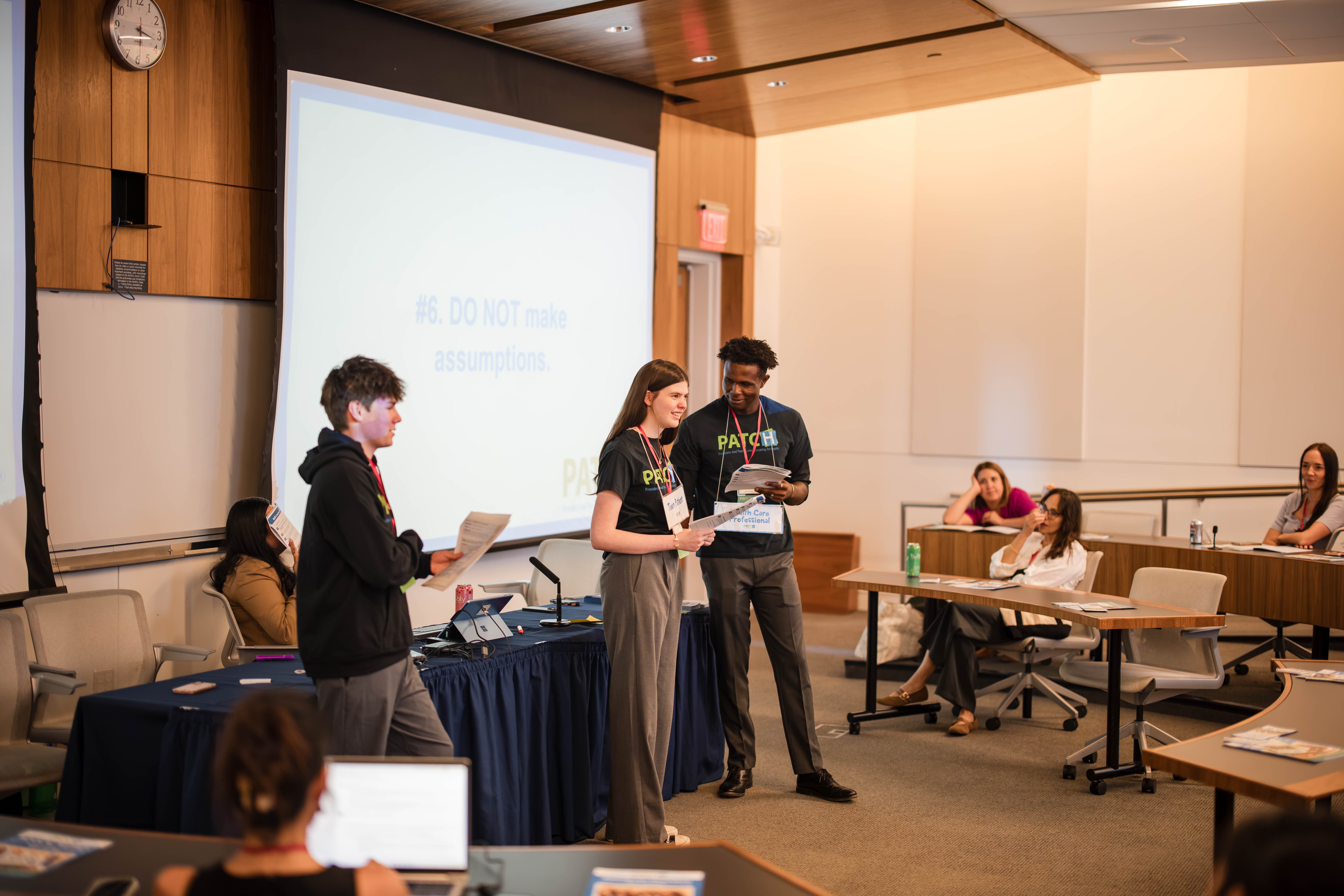
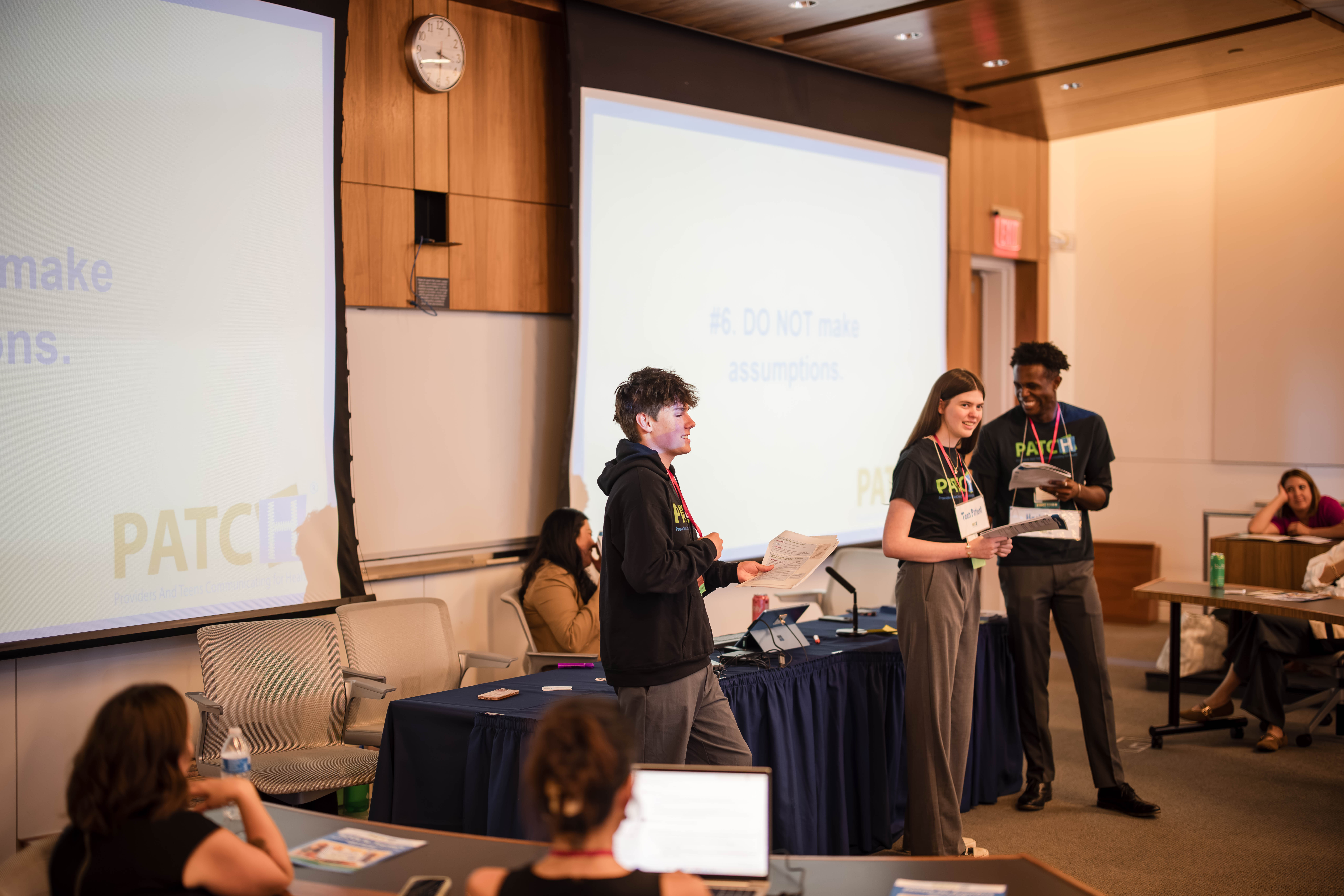
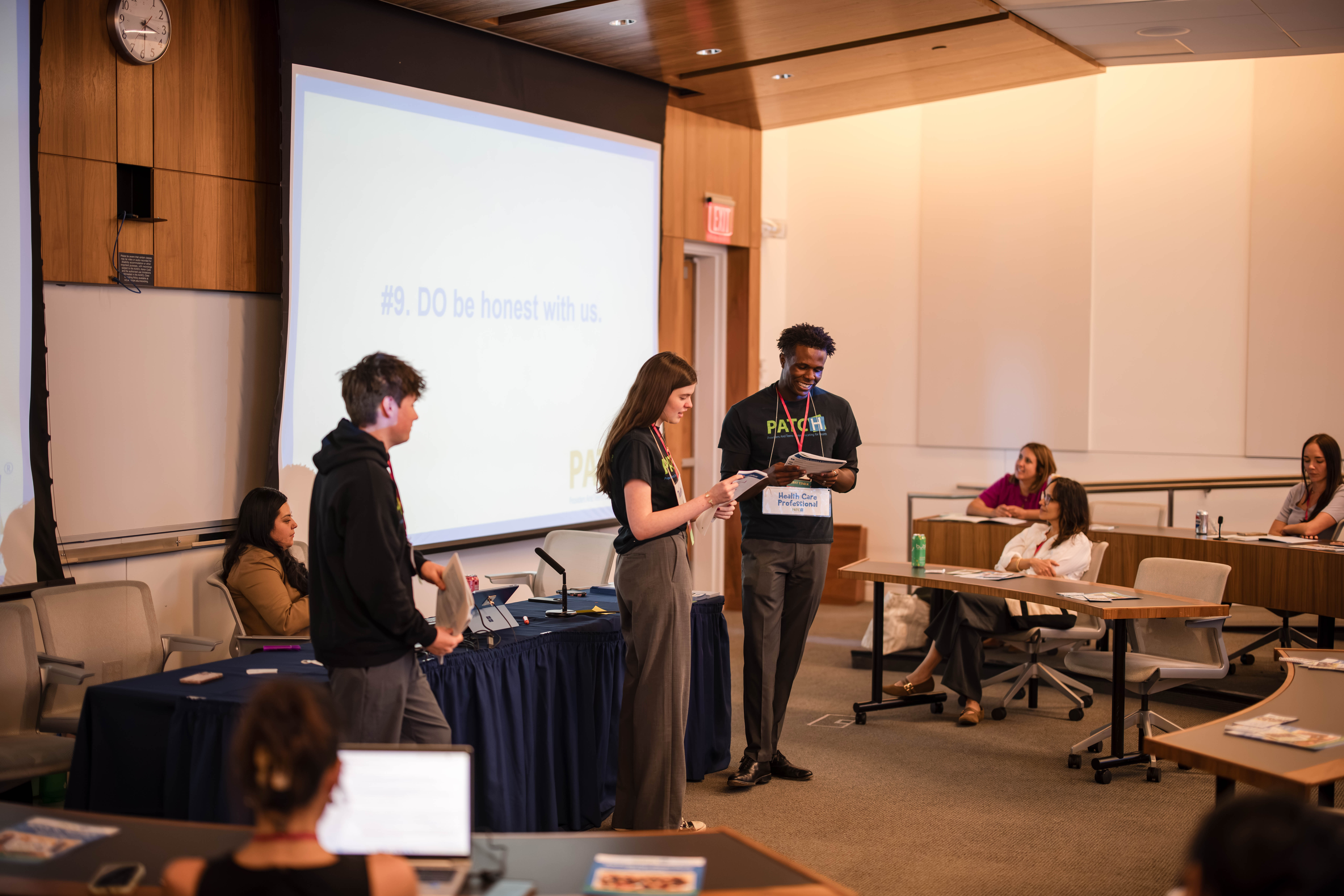
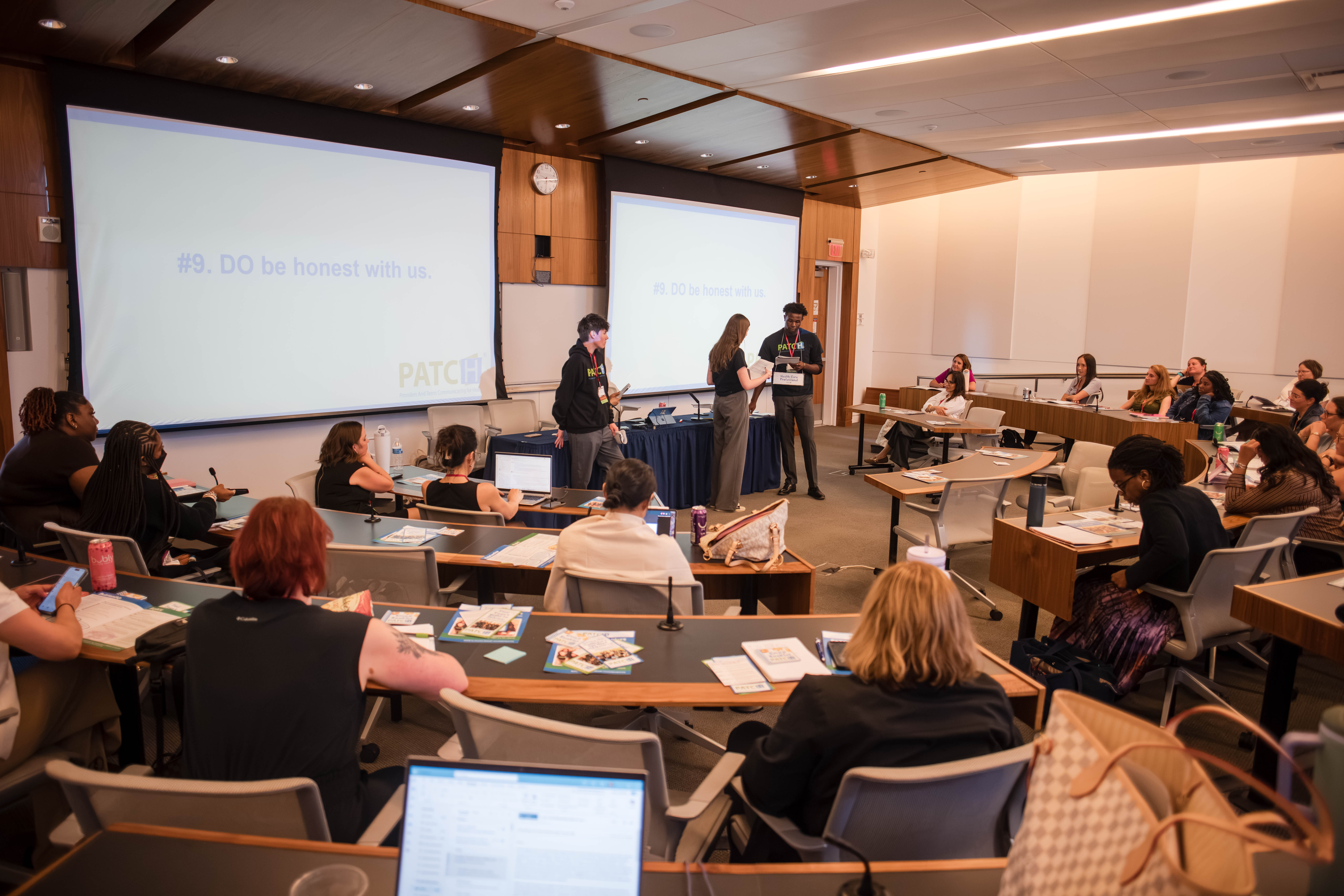
PATCH for Teens: Peer-to-Peer Workshop by the Denver Health PATCH Program
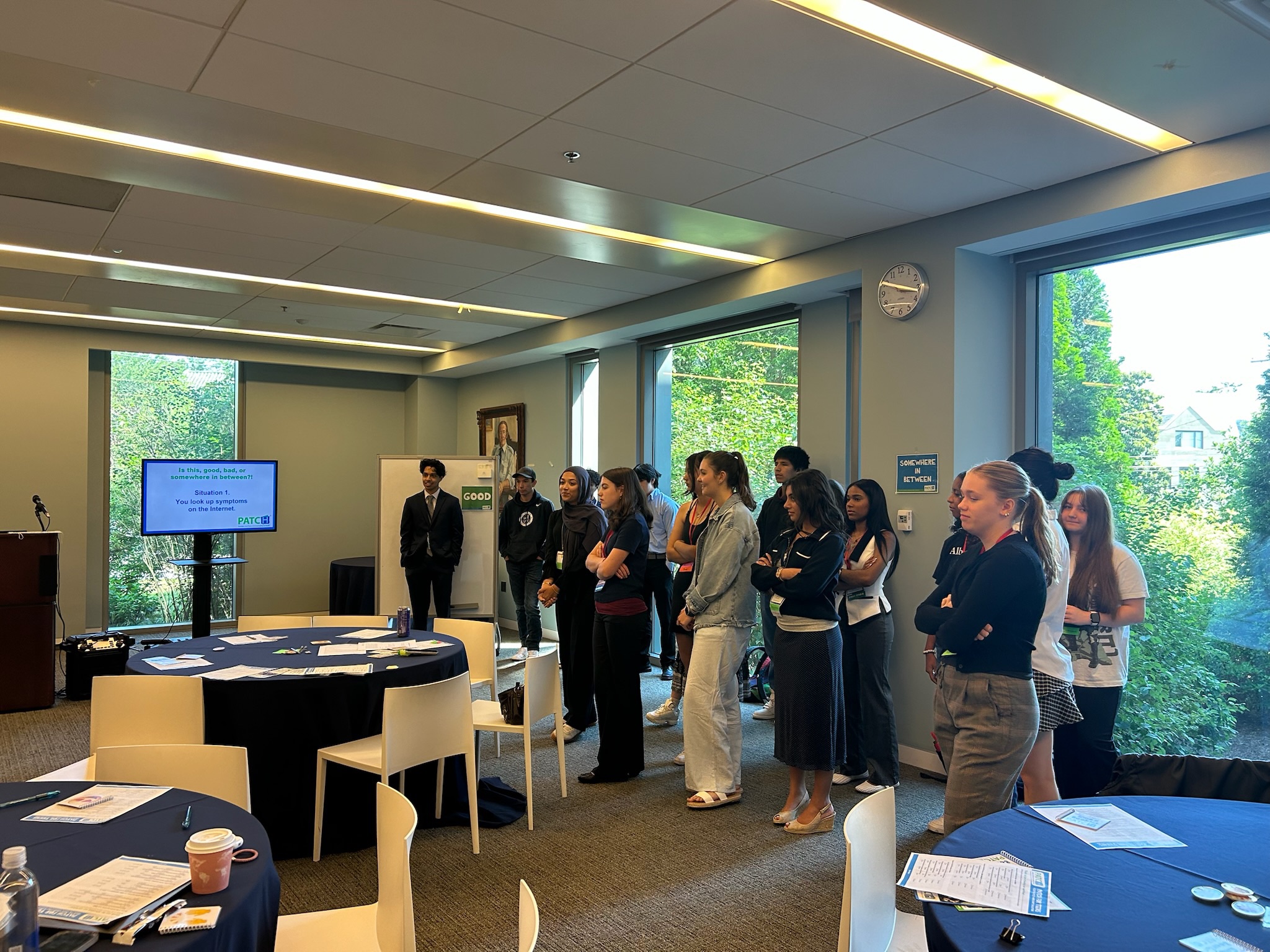
The Providers and Teens Communicating for Health (PATCH) Program is an innovative, youth-driven program working to ensure all young people receive high-quality, youth-friendly services in their community. The Denver Health SBHC program is in its fourth year replicating the PATCH Teen Educator Program, an evidence-based program originating in Wisconsin. The PATCH for Teens: Peer-to-Peer Workshop empowers young people to begin managing their own health care and equips them with the knowledge and skills needed to navigate and advocate for youth-friendly services.
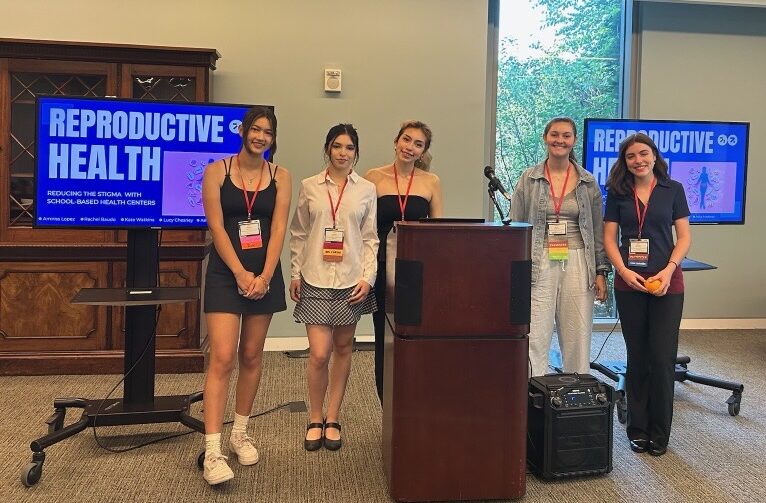
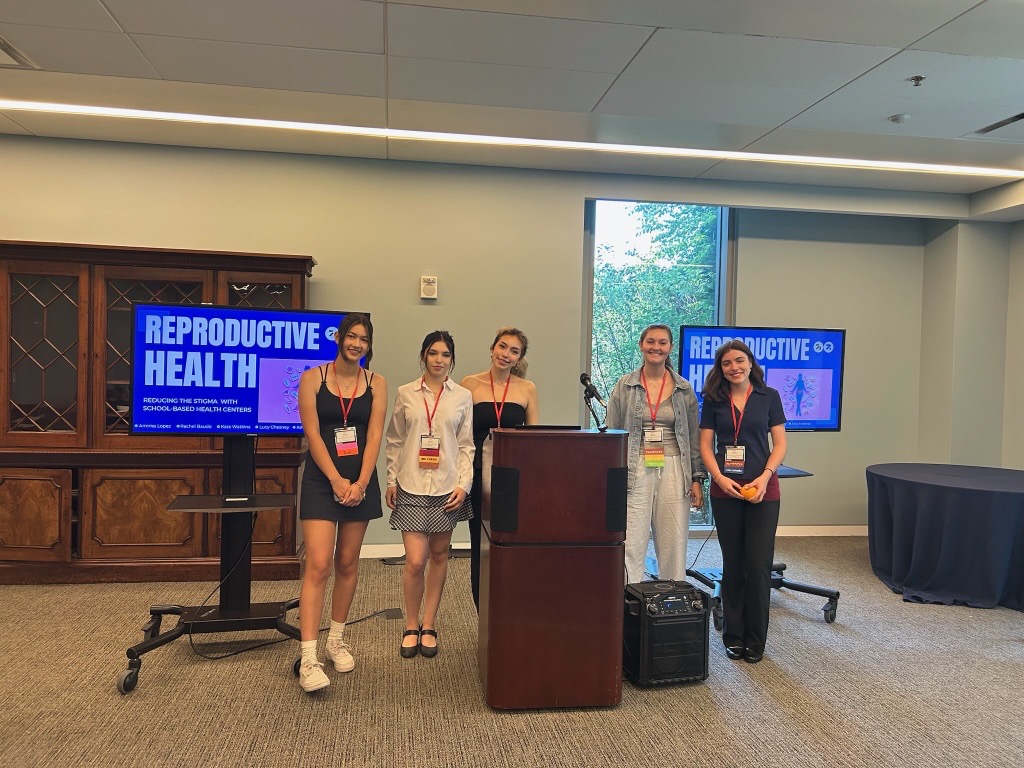
Empowering Youth to Challenge Reproductive Health Stigma in Schools by Amiriss Lopez, Lucy Chesney, and Kate Watkins
Reproductive health can be an uncomfortable topic for a lot of students because there’s so much shame, judgment, and wrong information around it. Many teens are scared to ask questions or go to the school-based health center (SBHC) because they don’t want people talking about them or making them feel embarrassed. In this presentation, we talk about the different ways stigma shows up in school, like rumors, cultural expectations, people making comments, or students being afraid to be seen getting help. We explain how SBHCs can make a big difference by giving students a safe place to ask questions, get support, and learn real facts without being judged. We also share youth-led ideas we’ve used, like putting up posters, spreading awareness, talking with students in a friendly way, and helping the SBHC feel more welcoming. Participants will learn how student voices can help change the way our schools think about reproductive health. Our goal is to show that when teens feel supported and not shamed, they’re more likely to take care of their health and feel confident getting the help they need.
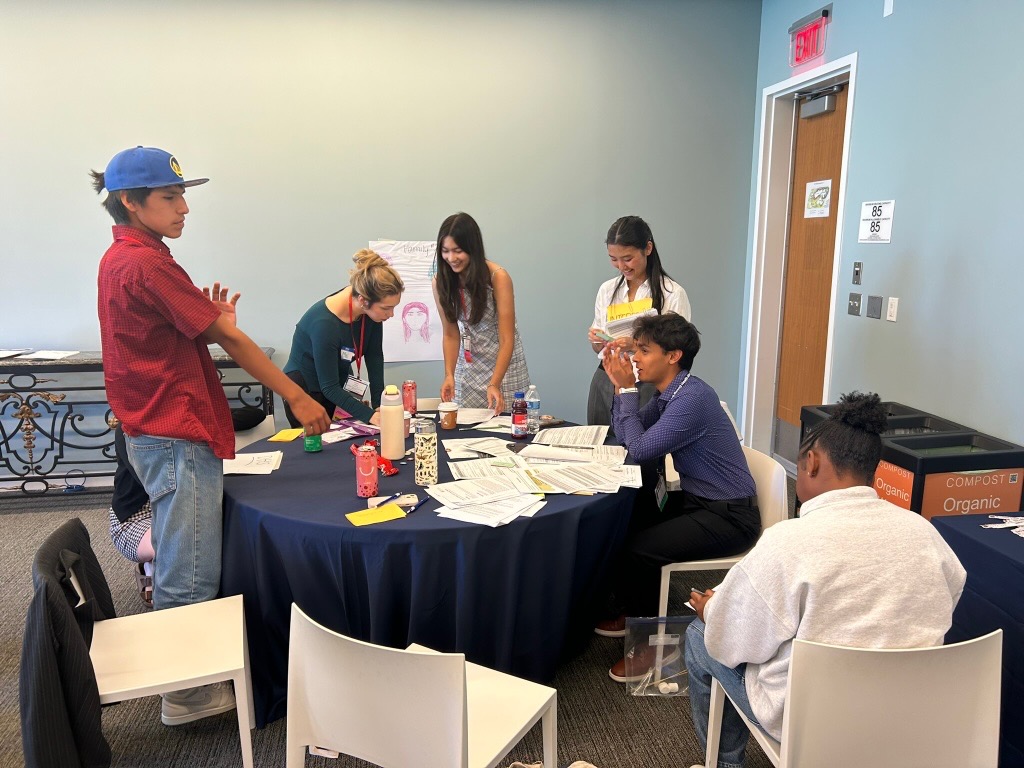
Shaping School-Based Health Centers through Policy, Funding, and Youth Advocacy by Nikhil Reddy, Joey Kaji, Sahana Srikanth, and Rikhil Ranjit
School-based health centers (SBHCs) are a great resource that provide health services to youth around the United States, but access to the care they can provide is deeply intertwined with the funding and policy surrounding them. SBHCs, by nature, are reliant on partnerships with other institutions, from schools to community organizations to health care systems. It is crucial to understand how they interact within the political landscape to improve and maintain SBHCs. Governmental changes directly impact the sustainability and range of care SBHCs can provide, impacting youth and the healthcare they are able to receive. It is imperative that youth understand how policy and funding impact so they can build, sustain, and advocate around it. This workshop will show youth real-world examples of policy changes and their impacts on SBHCs while showing the various roles behind the scenes that can help to influence such funding policy. Policy’s crucial position influencing SBHCs puts roles like lobbying and research at the center of successful and sustainable SBHCs. Through better understanding of the behind the scenes, youth can work more efficiently with providers, legislators, and schools to ensure SBHC sustainability.